Editorial
The Summer that Wasn’t
Keshia Elder, OD, MS, MS, FAAO
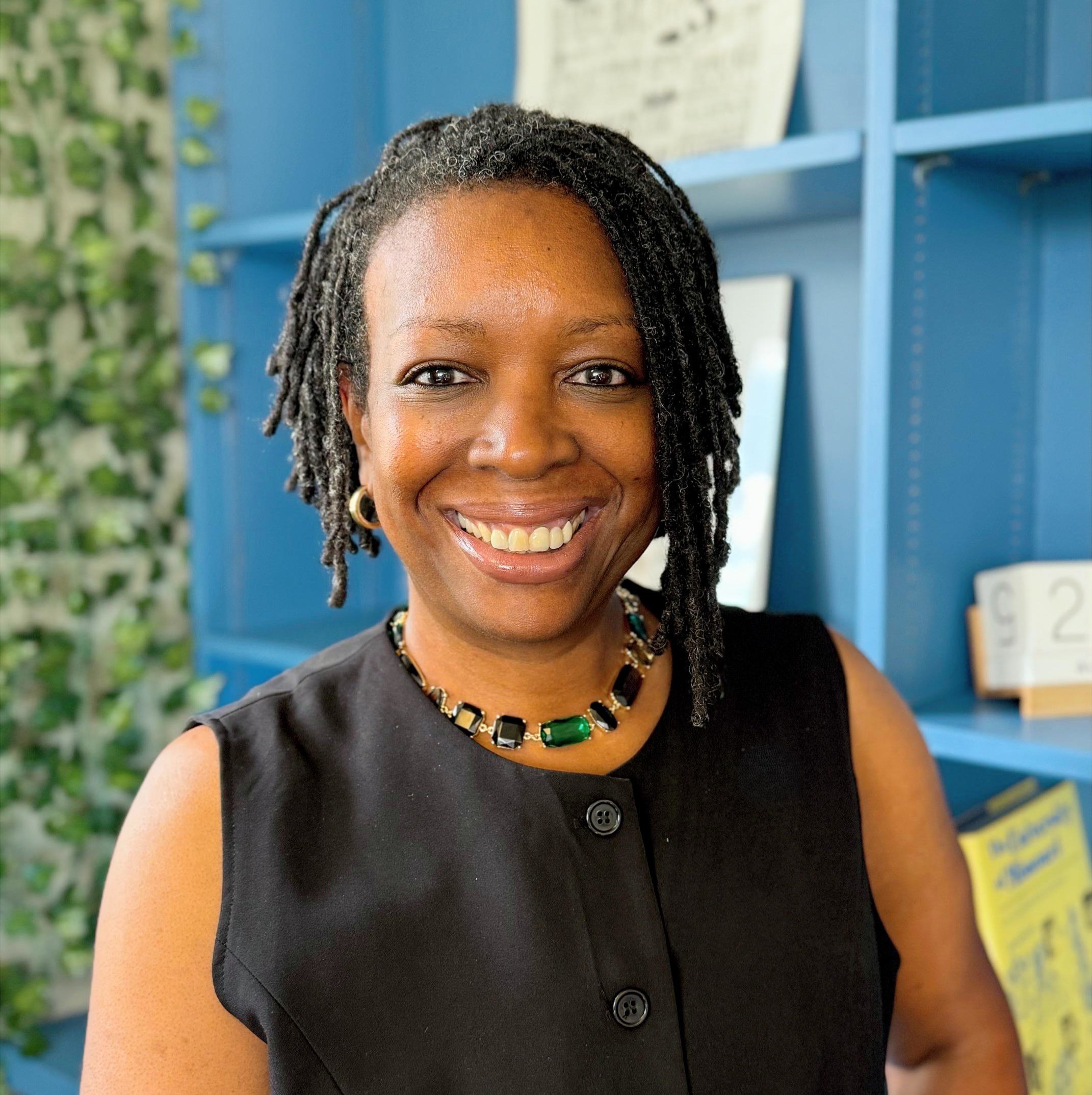
Keshia Elder, OD, MS, MS, FAAO
Over the summer I found myself having the same conversation with colleagues over and over again. Where did the summer go? How can it already be July?
Sometimes I would ask, “How is your easy breezy summer going?” and be met with chuckles. This refrain began at the American Optometric Association Meeting in June, continued at the National Optometric Association Convention in July, and repeated itself during ASCO meetings and countless faculty interactions in between. In June, the message was It is almost July already. In July, it became I can’t believe it is July already. Now that July is coming to a close, the message has shifted again: Once August begins, the summer is over.
These conversations often led to reminiscing about a different time in academic life when summer seemed to be a time to slow down a little. It provided time to catch up on work that was unfinished from the previous academic year, pursue scholarship, start new projects and prepare for the next academic year. Today, summer seems more like a continuation of the traditional academic year with the same level of responsibilities and expectations. If faculty feel like there is never enough time to rest, recover or catch up, how do our students feel? More importantly, what message are we sending them about professional life? What hidden curriculum are they learning from the example we set?
As optometric educators, we have the responsibility to train students to become competent entry-level optometric practitioners. However, our responsibility extends beyond clinical competence. We must model professionalism, ethics, citizenship and habits that sustain a successful career. When students witness faculty members overworking, are we modeling appropriate examples of professional wellbeing? What unspoken and unofficial rules and behavior are we teaching? Are we demonstrating that having space for both professional and personal pursuits is important for long term professional and personal fulfillment?
Technology is a further complication. It has become an integral component of patient care, academic work and social interactions. At times, I find myself nostalgically recalling the days before email, when asking a question or making a request required picking up the phone or walking down the hall to speak with someone. Those interactions demanded a level of intentionality. You had to decide whether the request justified the effort.
Although the ease of digital communication has many advantages, it also results in a relentless stream of requests and obligations because the cost of making the ask is so low. There are many improvements and efficiencies associated with technology, but the expectation of constant accessibility and connectivity can be exhausting. We must be intentional about creating opportunities to purposefully and responsibly disconnect and recharge. It is somewhat paradoxical how the technologies designed to help us be more efficient often result in feeling like we have less free time.
As academics with demanding schedules, we may undervalue time devoted to thinking, planning and reflecting. Quiet time matters. In today’s environment with constant external noise and an unending to do list, it is increasingly difficult to carve out space to consider where we have been and where we need to go. Reflection is an essential component of growth. Summer once represented a season for renewal and reflection.
Many students do not have a comparable season. They move from semester to semester, balancing coursework, board preparation, clinical care, employment, leadership activities and extracurricular commitments with little time for genuine recovery. As I browse optometry-focused social media groups, I increasingly encounter discussions about burnout. It raises an important question: are some students experiencing burnout before they even begin their professional careers?
Should educational institutions teach students about boundary setting, recovery and sustainable professional habits alongside clinical competence? We want our students to pass boards, graduate and provide exemplary patient care. However, we also want them to enjoy meaningful, long and rewarding careers.
As educators, perhaps we should ask ourselves a final question: How can we promote sustainable performance rather than relentless productivity, both in our students and in ourselves?