PEER REVIEWED
Outcomes of US Optometry Exchange Program for Students from China
Meng Meng Xu, OD, MPH; Jennifer Hue, OD, MS; Guilherme Albieri, PhD; Bina Patel, OD
Abstract
In China, optometry is a relatively new, yet rapidly growing subspecialty of ophthalmology. To enhance its development and promote future leaders in this field, an exchange program was formed for Wenzhou Medical University students to attend a joint program at the New England College of Optometry (NECO) and the State University of New York College of Optometry (SUNY). A feedback survey was administered to the participants who took part in the program between the years 2014-2022. This article summarizes the outcomes and perceived impact of the program on the participants’ professional and personal development.
Keywords
Background
Optometry in China has grown significantly in the past 2 decades.1 Optometry education ranges from 3-year technical programs, 4-year bachelor of optometry and 5-year medical degree in Optometry/Ophthalmology.2-3 The 5-year program is the only one that grants diagnostic and therapeutic privileges. Currently, there are hundreds of optometry schools but only 33 offer the 5-year program. In China, optometry is a subspecialty of ophthalmology. The impetus for advancement of optometry is to meet the vast eyecare needs of the population. The increasing rates of ocular disease and myopia progression are a couple examples of why in China there is a need for an increase in eyecare workforce and access.4-7 Sub-specialty areas of optometry are instrumental in addressing these concerns, such as myopia management, contact lenses, low vision and visual rehabilitation.
Wenzhou Medical University (WMU), Wenzhou, China, is the preeminent leader in ophthalmology and optometry education in China.3 To cultivate the next generation of leaders in eye care, a program was developed by the New England College of Optometry and SUNY College of Optometry, in conjunction with WMU. This program, called Global Health Leadership Development Program (GHLDP), was initiated in 2014 and has been delivered annually through 2022. Each year, 10 WMU students were chosen from a highly competitive pool of applicants to participate. The students selected were either in the 5-year bachelor’s in medicine in Optometry/Ophthalmology or in general clinical medicine. There are also one to two students per cohort in the master’s degree. The program’s goal was to inspire and equip medical students with a foundation of skills and knowledge to become future leaders in the field of eye care.
Program Description
The program provided the students exposure to the American healthcare system, a variety of presentations on optometry topics such as low vision and specialty contact lens, leadership development, insights to research related to eye care and more. The program was divided into 2 sessions: 2 weeks at the New England College of Optometry (NECO) (Figure 1a) and 2 weeks at State University of New York (SUNY) College of Optometry (Figure 1b). Both institutions exposed the students to embrace the various cultures.
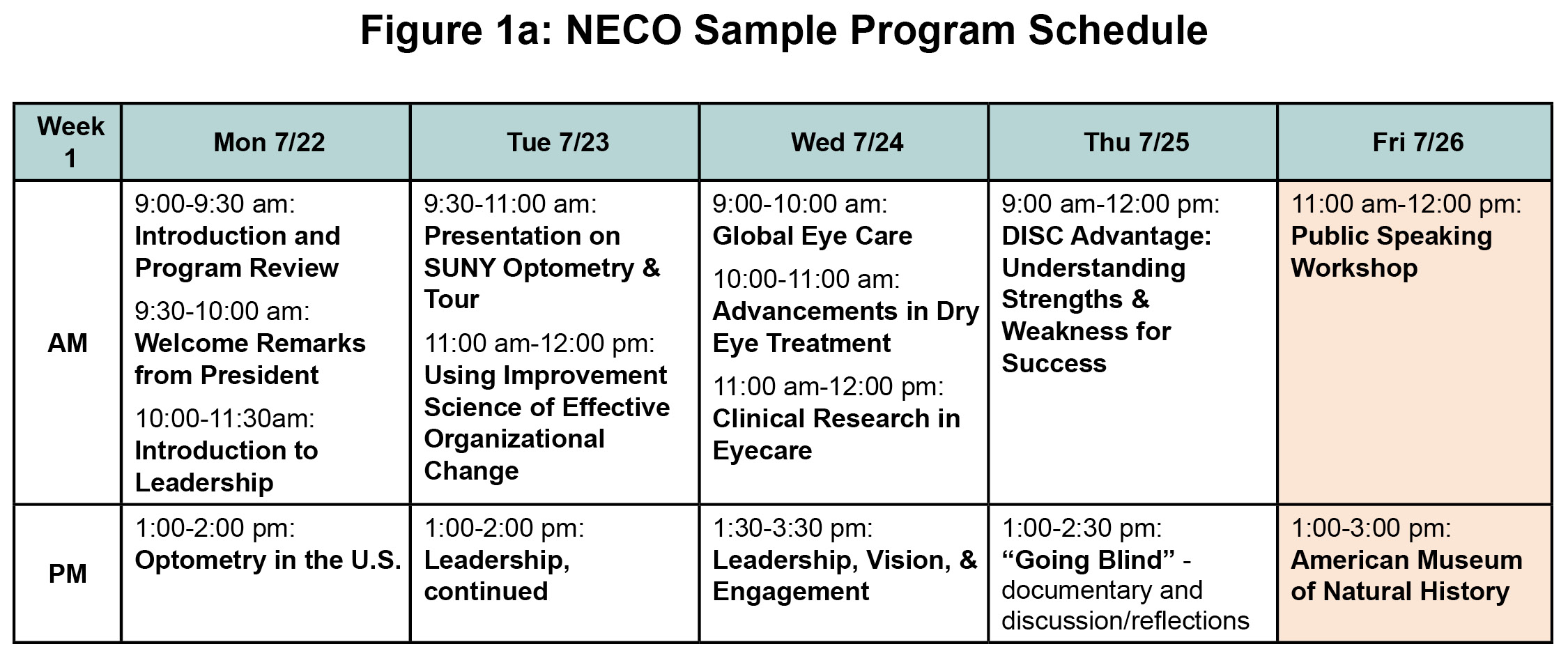
Figure 1a: NECO Sample Program Schedule. Click to enlarge
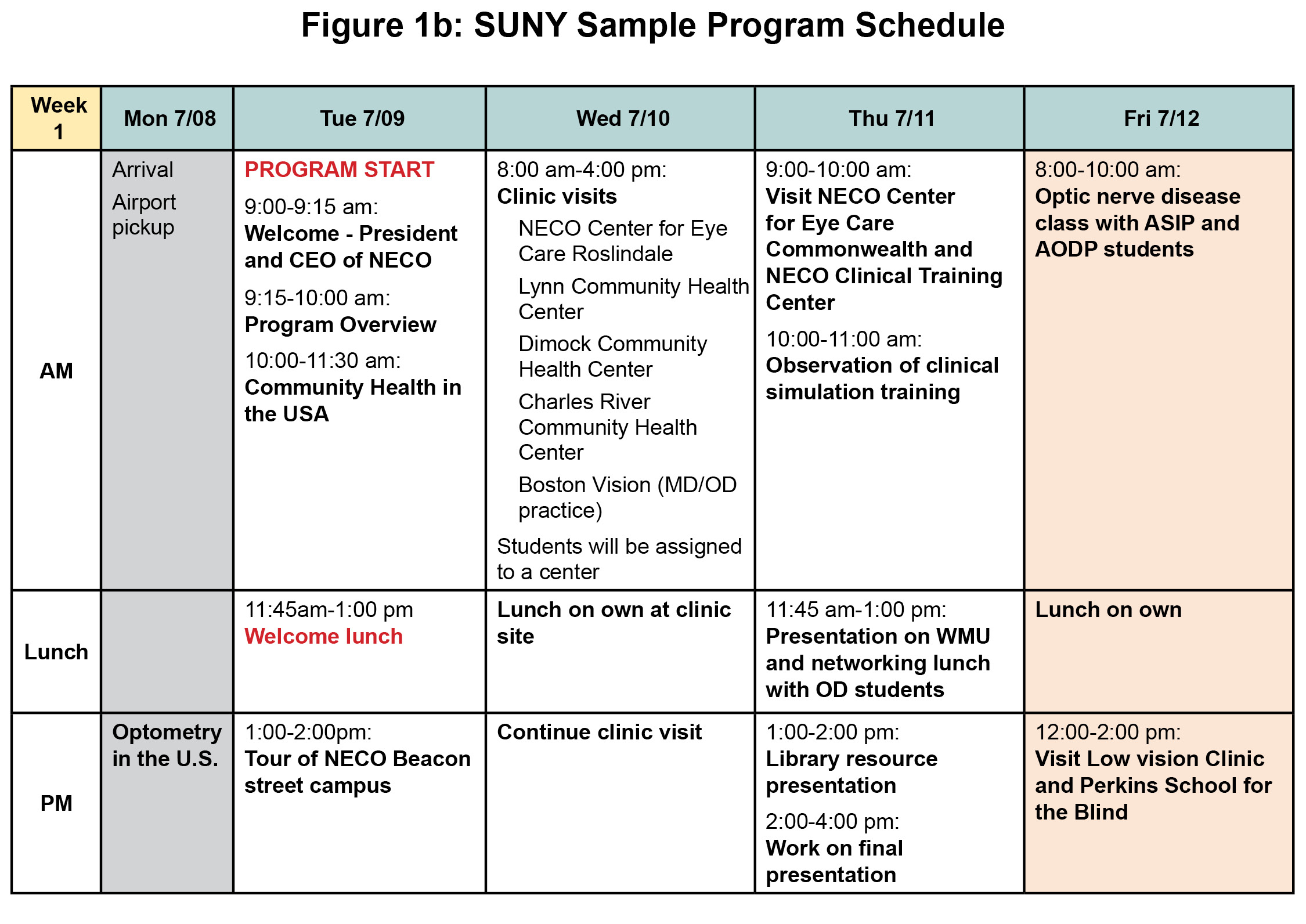
Figure 1b: SUNY Sample Program Schedule. Click to enlarge
NECO focused primarily on healthcare services and delivery, particularly in the community health system. The SUNY College of Optometry focused on leadership and career development. Some of the program learning objectives included:
- Students will learn about the state of optometry globally
- Students will learn about American culture and its influence on the American healthcare system
- Students will learn how to integrate career planning into their educational and professional goals
- Students will gain insight into how clinical services are provided and deeper understanding of healthcare concerns within the context of cultural, social, economic and public health issues which they can apply
Program Outcomes
At the end of each session, students were required to complete a culminating project.
- Public health presentation (NECO session): a poster presentation comparing a community health center they visited while in Boston vs the way eye care is delivered in their hospital in China
- Career Plan (SUNY session): a PowerPoint presentation on their 5-year plan and steps to achieve it and reflecting on personal strengths and weaknesses that would contribute to this goal
Virtual Program
Due to the COVID-19 pandemic in 2021 and 2022, the program was required to shift to a virtual format. To try to recreate the program, lectures were given synchronously. The participants attended via Zoom while gathered in one classroom on campus, to promote camaraderie, collaboration and exchange. Both US institutions coordinated to ensure that the content of presentations was delivered in an engaging manner. Students were required to keep their web cameras on and encouraged to interact with the presenter. While the physical site visits were not possible, virtual tours of some of the sites were provided instead.
For the Public Health presentation portion, the program faced the challenge that Chinese students could not easily access data about the US health system. Hence, the team proposed the idea of collaborating with American students on this project. The topics were changed to compare the general health system between the US and China, rather than focusing on community health centers.
Methods
A 12-question survey designed by NECO and SUNY international program departments was sent to the students via Qualtrics. The survey link was sent via WeChat, a popular social media app used in China. Each cohort has its own WeChat group that we used during the program for communication. Participation in the survey was voluntary. Participants were informed that the results may be published in a paper on the impact of the GHLDP program. The survey was active from January 8 – January 24, 2024. Two reminders were sent from the WMU program coordinator during this period.
The survey was administered in English and comprised both quantitative and qualitative, open- ended questions. To maintain anonymity, there was no tracking of emails, names or year of participation. Background information was collected on participants’ current job title and if they took the course in person or online. Participants were asked to quantify on a scale of 1 to 10 how much the program positively impacted their career development and their personal development, with one being “it had no effect” and 10 being “it completely changed their development.” Subsequent questions focused on the program itself. They were asked what aspect of the program they valued most followed by what was the most memorable to them with a choice of answers and an open-ended question to explain why. Finally, they were asked if they had further comments on how the program affected them and if they have suggestions on program improvement for future cohorts.
The open-ended questions were analyzed using inductive codes based on recurrent themes. The quantitative tables and analysis were done directly from the Qualtrics software.
The study was submitted to the Institutional Review Board at both NECO and SUNY and received an exemption due to the anonymity of the survey.
Results
A total of 43 participants responded to the survey, which is approximately 50% of all participants in the program. 27 participants who filled out the survey took the course in person and 16 took it online.
The first question asked about their current job role; they had to choose from a list of common workplaces for optometrists in China, including roles in public hospitals, private clinics, academia, research and industry. Since it is possible optometrists could have more than one role, the question allowed for selecting more than one answer. Nine responders selected more than one role.
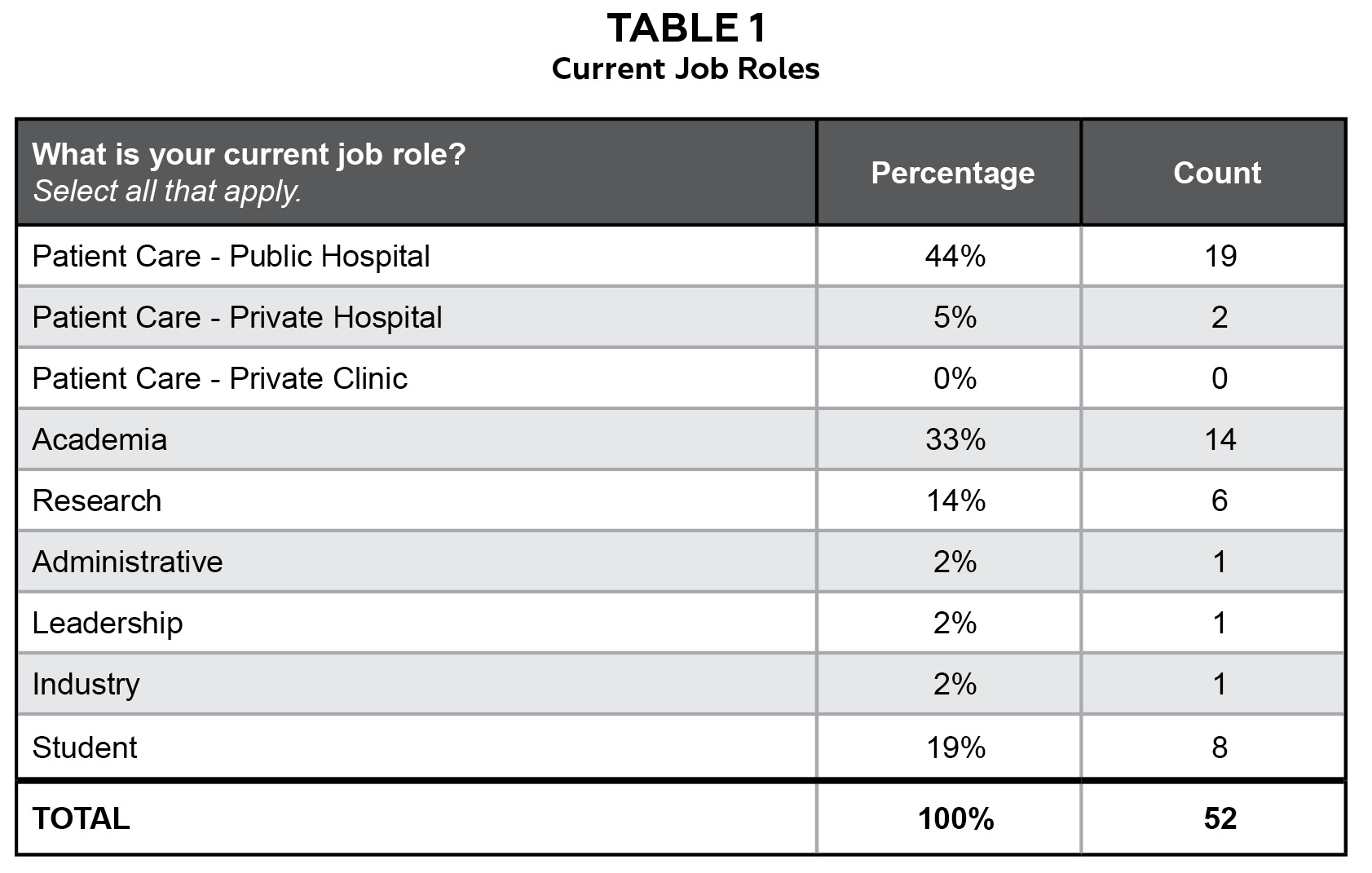
Table 1: Current Job Roles. Click to enlarge
The majority of participants have graduated and currently work in patient care in public hospitals, followed by academia, research and private hospitals. Eight of the respondents are still matriculated in their respective degree programs. (Table 1).
Regarding the participants’ current work title, a thematic analysis revealed the most common ones were postgraduate students (12), followed by student or intern (11), residents (10), practicing MD or OD (7). Interesting answers include 1 of each title: a full-time administrator in academia, a clinical professor in the US, a full-time research scientist, a CEO of a vision company, and a founder of a startup company. Also of interest, 10 respondents indicated that the hospitals they currently work in or are pursuing their residency or postgraduate degree (other than WMU) are among the top 10 ranked medical institutions in China. However, half of the respondents did not indicate where they currently work or study, so this number is not exhaustive.
Of those who took it in person, the most memorable part of the program was tied between site visits, exposure to optometry practice in the US and cultural experience in the US (Table 2).
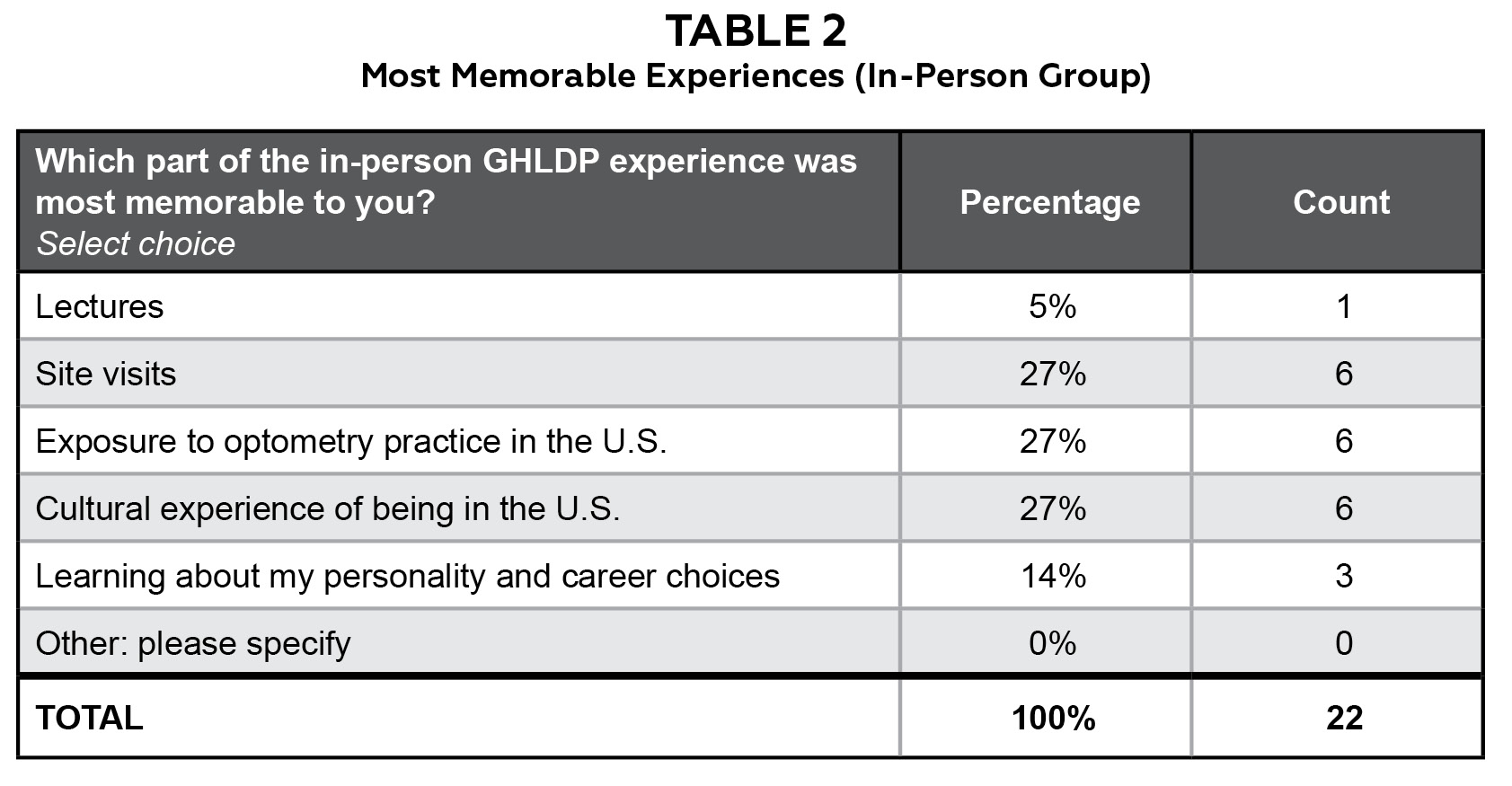
Table 2: Most Memorable Experiences (In-Person Group). Click to enlarge
Nineteen participants provided more details in the comment, with the most popular being visits to the Community Health Centers as it helped them to contrast and compare patient care between the US and China. The second most memorable mention was the personality test and games. Another common mention was visiting Perkins school of the Blind and hearing about the lived experience of visually impaired people.
For those who took the program online, the most memorable part was learning about how optometry is practiced in the US, followed by working on a project with US students and then learning about their personality and career choices (Table 3). Eleven participants provided more details. They mentioned that learning about optometry in the US helped broaden their career perspectives and understand the differences between China and the US They liked the opportunity to work with US students in teams and engage in rich discussions.
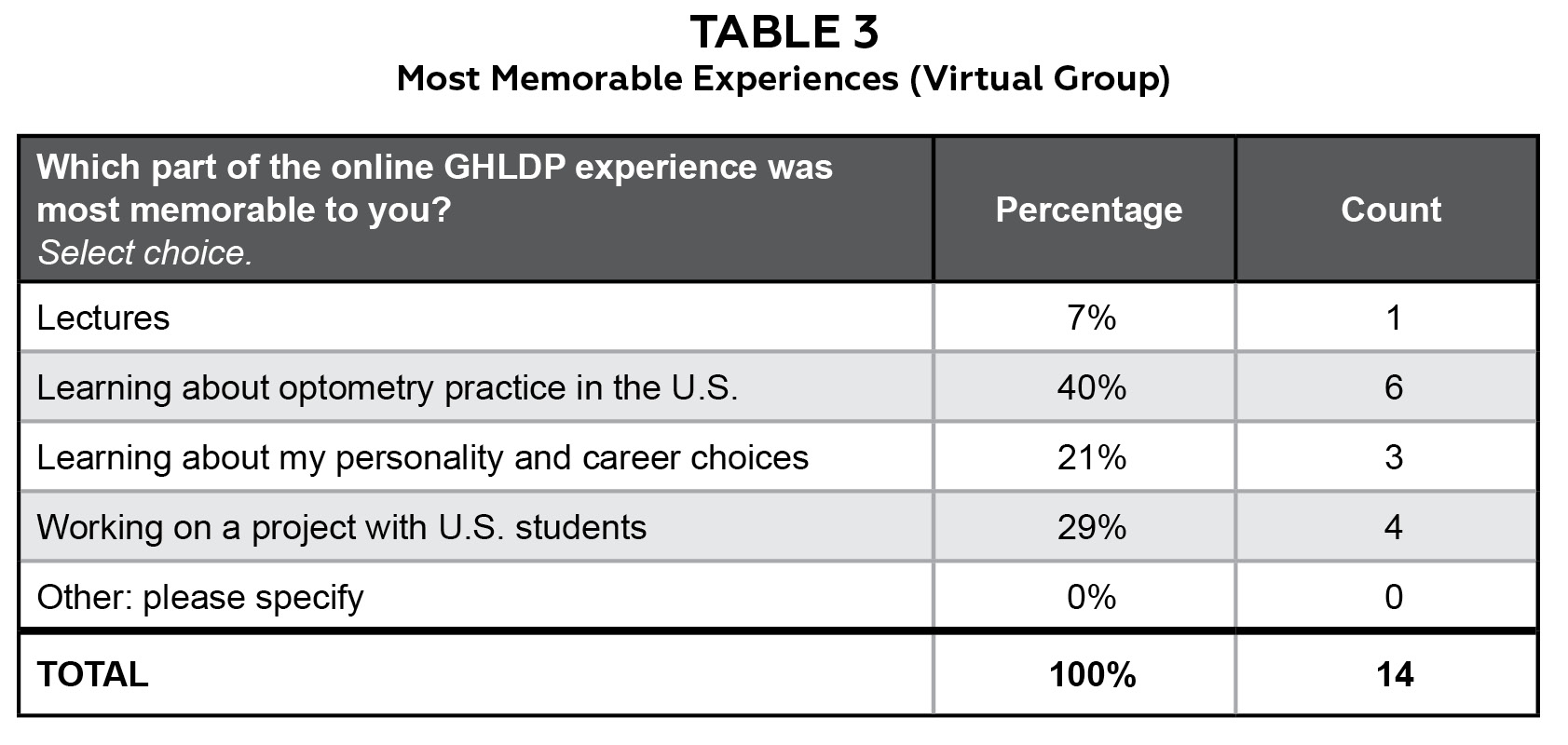
Table 3: Most Memorable Experiences (Virtual Group). Click to enlarge
The participants were asked to rate the scale on which the program positively impacted their career development, where 10 is that it “completely changed their career development” and 1 is that it “had no effect at all” (Figure 2). The average rating of all 42 responses is 7.60 and the range is between 5 to 10. Since another goal of the program was to develop leadership skills, participants were also asked to rate how the program positively impacted their personal development using the same scale (Figure 3). The average is 7.84 and the range is between 5 to 10.
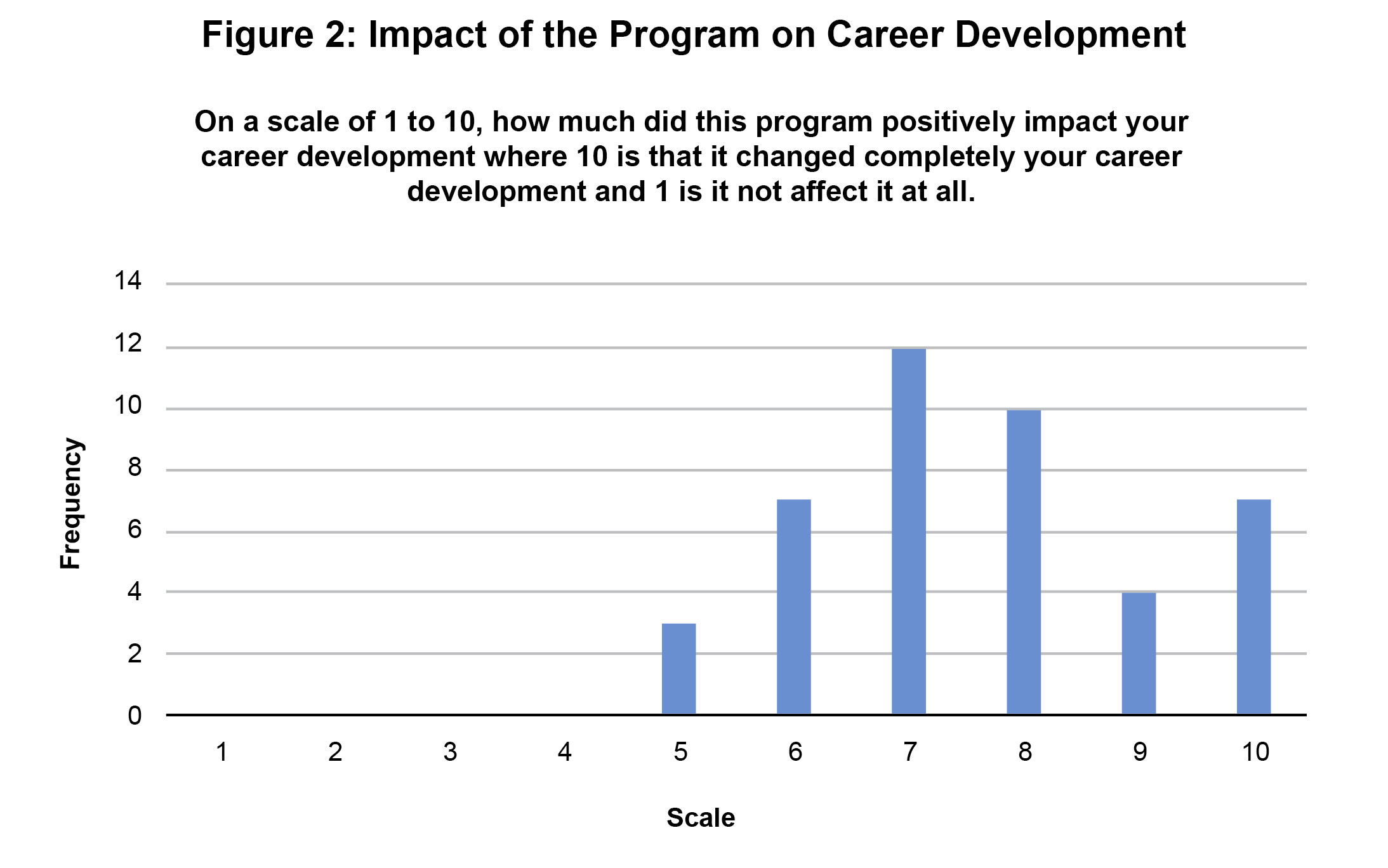
Figure 2: Impact of the Program on Career Development. Click to enlarge
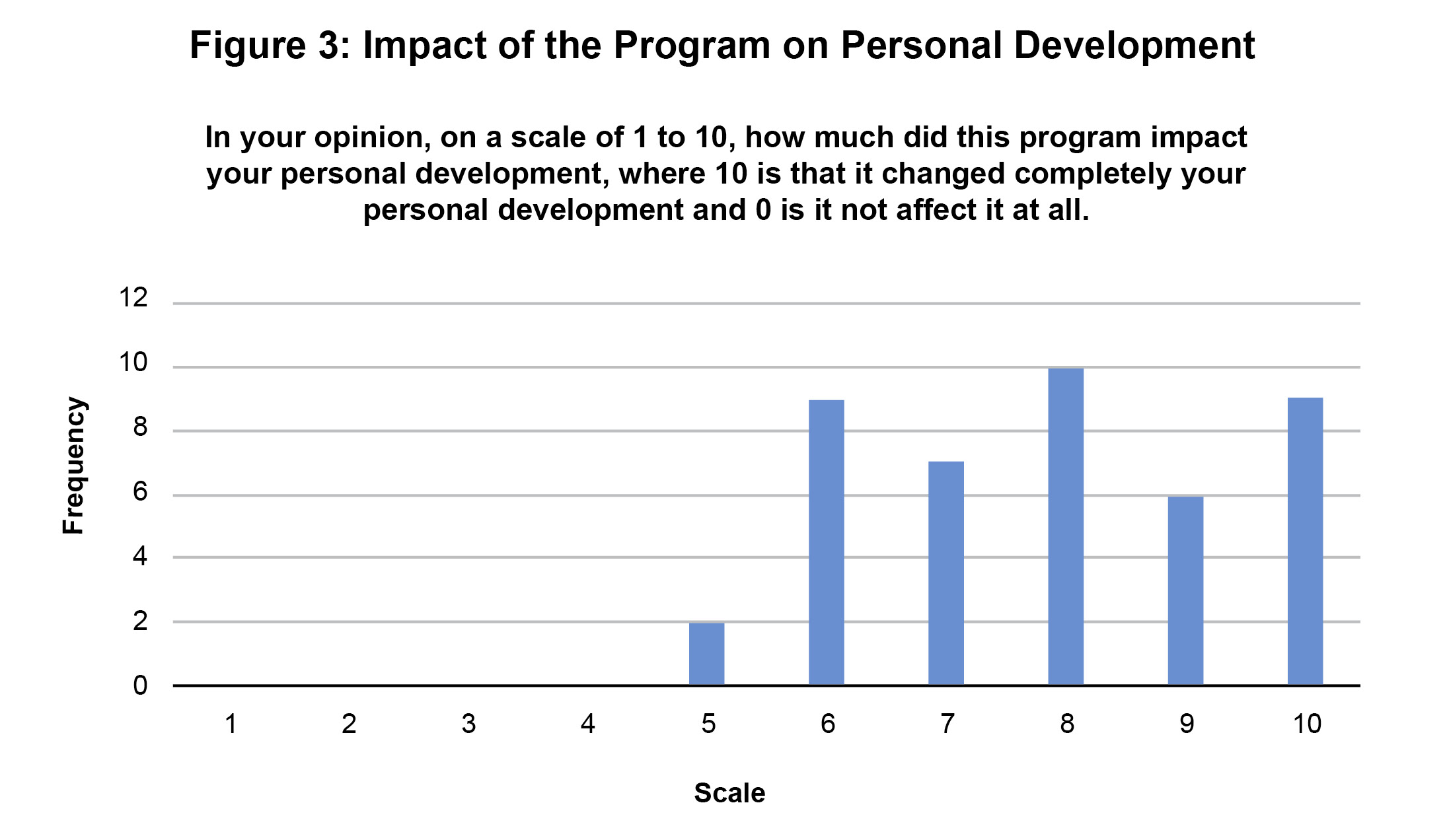
Figure 3: Impact of the Program on Personal Development. Click to enlarge
Differences between online and in person groups
In assessing the normality of the distribution for the “Impact in Career Development,” the Shapiro-Wilk test indicated a deviation from normality, W = .923, p = .007. Similarly, the Kolmogorov-Smirnov test results also suggested non-normality, D = .170, p = .003. Given these results, the assumption of normality was not met and a non-parametric test was chosen to analyze the difference between in-person and virtual attendees.
A Mann-Whitney U test was conducted to determine if there were differences in the impact on career development between participants who attended the program in person in New York and Boston (n = 27) and those who attended the program virtually (n = 16). The results of the test were not significant, U = 194.00, p = .572, suggesting that there was no statistically significant difference in the reported impact on career development between the in-person and virtual attendees. The mean rank for in-person attendees was 22.81, while the mean rank for virtual attendees was 20.63.
An Independent-Samples Mann-Whitney U test was conducted to compare the impact on personal development between participants who attended the program in-person in New York and Boston (n = 27) and those who attended virtually (n = 16). The test revealed that the difference in the impact on personal development between in-person attendees (Mean Rank = 20.93) and virtual attendees (Mean Rank = 23.81) was not statistically significant, U = 245.00, p = .458. These results suggest that the mode of attendance did not significantly affect participants’ perceived personal development.
Participants in the program, regardless of whether they participated in-person or virtually, reported experiencing a positive impact on their career and personal development. Based on the statistical analysis, the mode of participation did not appear to influence their perceptions of the program’s effectiveness in these domains.
Qualitative assessment
The next section of questions was open-ended to allow for a variety of answers. The first question asked what they found the most useful from the GHLDP program, with 29 answers. A qualitative analysis identified six main themes: Expanded knowledge, leadership development, career planning and personal development, cultural experience, teamwork/collaboration and understanding of health systems. Many respondents answered more than one theme (Table 4).
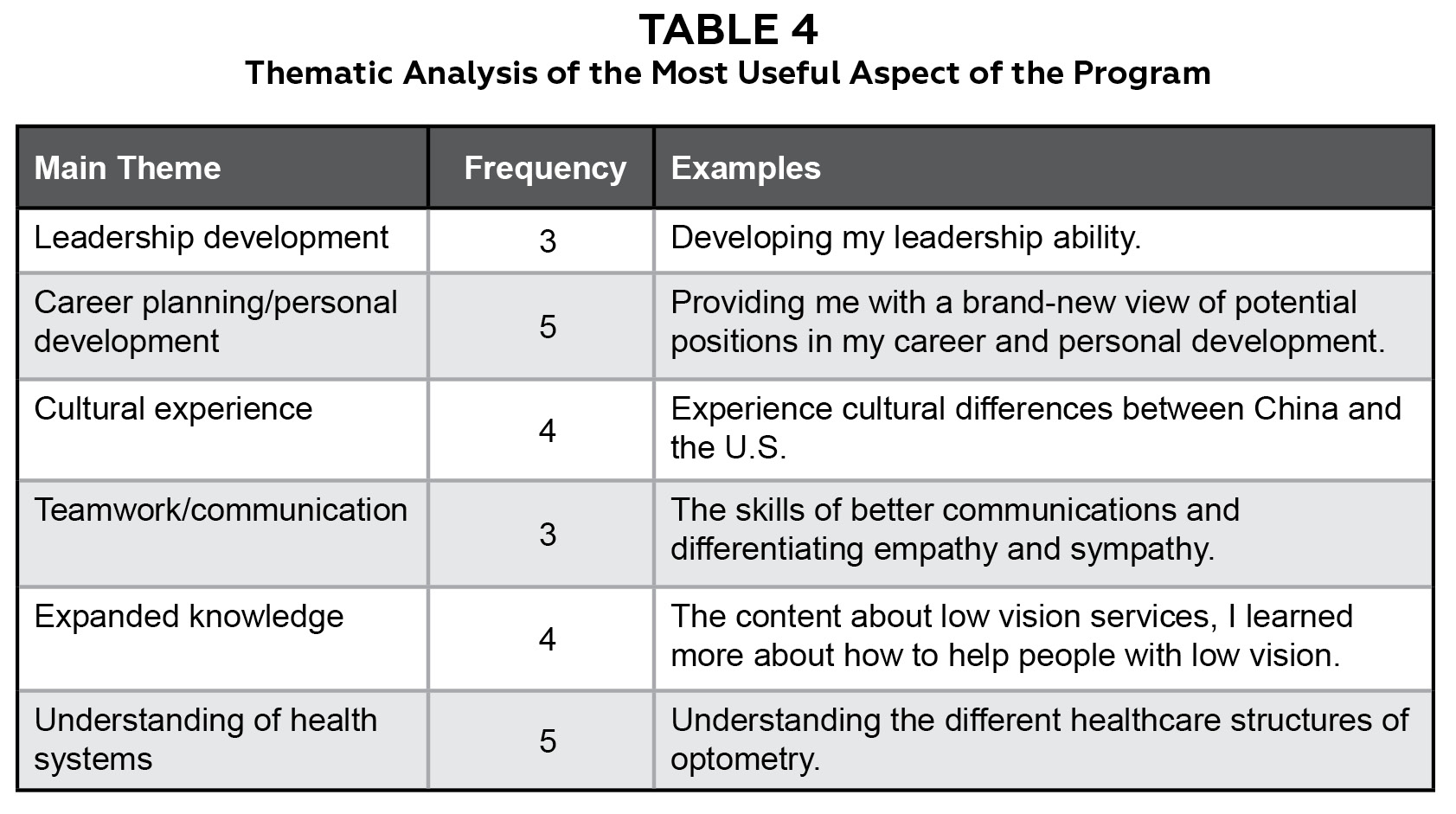
Table 4: Thematic Analysis of the Most Useful Aspect of the Program. Click to enlarge
The participants were given the opportunity to write any further comments on how the program affected them or did not affect them. Twenty-five responders shared their thoughts. There were two comments on how to make the program better, which was repeated in the next question. A qualitative analysis of the answers showed four main themes: Broaden their horizon, improved understanding of their future development, building connections and personal growth (Table 5).
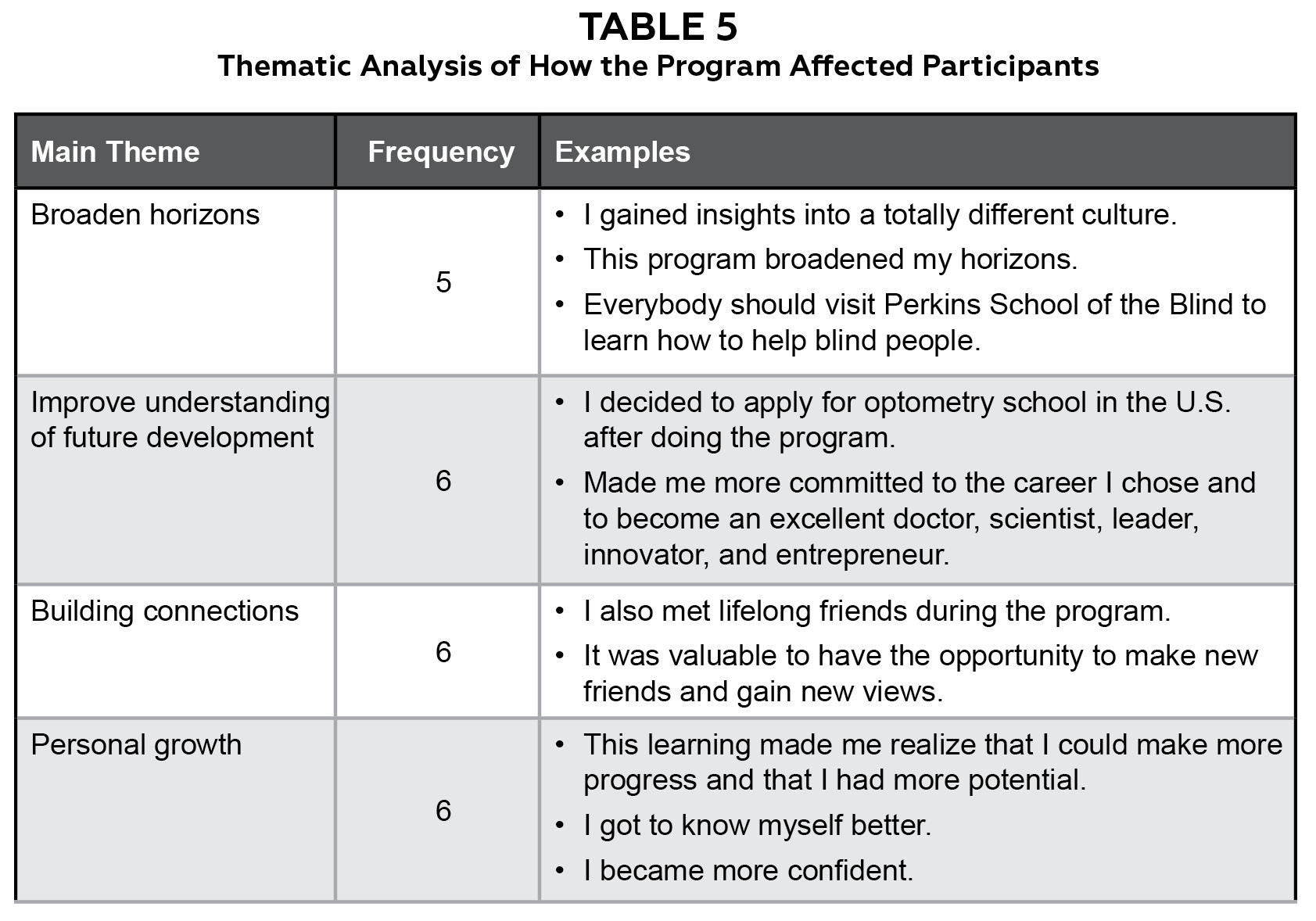
Table 5: Thematic Analysis of How the Program Affected Participants. Click to enlarge
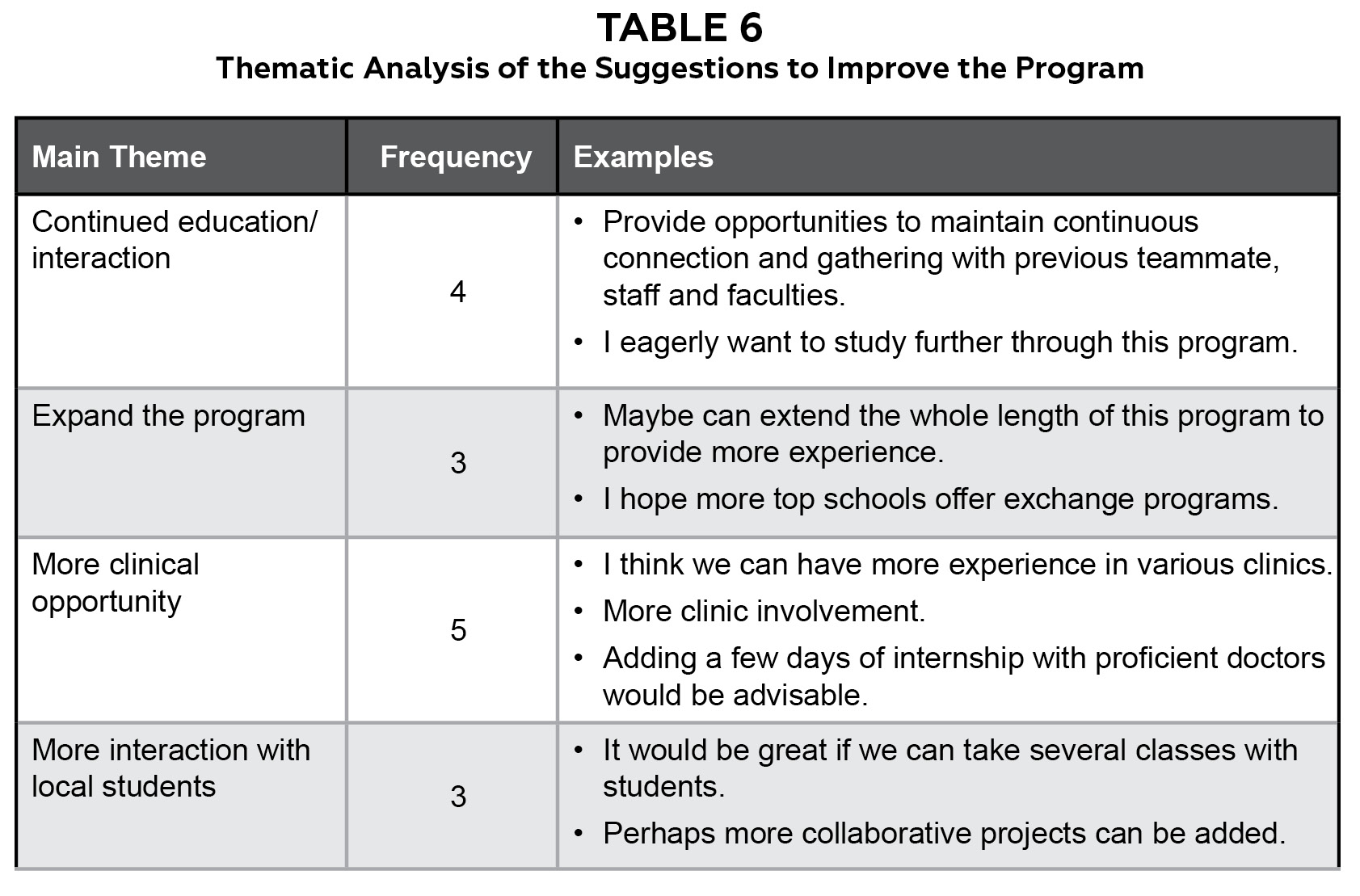
Table 6: Thematic Analysis of the Suggestions to Improve the Program. Click to enlarge
In the last question, we asked for comments on how to improve the program. There were 15 answers, four of which said it was perfect. Four main themes were identified: Continued interaction/education, Expand the program, More clinical opportunity, and More interaction with local students (Table 6). One student who took the program online wished it was in person and one person suggested a specific hands-on project on making glasses.
Discussion
The first question about participants’ current job titles showed that most of them are still in school. Since most doctors are now required to do a residency, it takes on average an additional 6 years after obtaining a bachelor of medicine degree in optometry to be able to practice independently. With WMU being a highly ranked medical school, many students also decide to pursue a master’s or PhD after graduation. Hence, most of the respondents are still in their training track. In order to see their potential for more leadership, we should have asked the respondents more targeted questions about leadership positions that can be held during training. Additionally, to conduct a fairer comparison of the success of the program, their careers should be compared to other students at WMU who did not participate in the GHLDP program. It is, however, a positive trend to see the quality of the schools where the students are furthering their education.
Based on the quantitative rating of program impact, it seems that it positively impacted all the participants in terms of career and personal development. As much as it was attempted to replicate the program, we anticipated that the virtual format would be a different experience. In our analysis, however, we found no statistically significant difference in career development impact between participants who attended the training in the US and those who completed it online in China. This finding goes against our expectations and deserves further exploration.
The limited number of respondents in the virtual group may impact the statistical power of our analysis. With only 16 respondents in the virtual group, our study may not be able to identify differences between the experiences of the two groups. Another plausible explanation is temporal proximity to the program: the in-person group completed their course pre-pandemic and thus may feel more temporally distant from the experience, whereas the virtual group’s training occurred during the pandemic, potentially making their experience feel more immediate and relevant. Additionally, the assessment of the program’s impact may have been influenced by the respondent’s baseline experiences. Participants are not comparing two distinct experiences they each had; rather, they are evaluating a single experience through the lens of their own expectations and contexts. If individuals had the opportunity to compare both in- person and virtual experiences directly, there might be a more pronounced perception of difference in impact. Participants may also have quickly adapted to the ‘new normal’ brought on by the pandemic, thus normalizing virtual interactions and learning experiences to the extent that they are seen as equivalent to in-person experiences. It could also be argued that the virtual experience was well crafted and customized for the specific needs and realities of the virtual participants, resulting in equally positive responses from both groups.
When analyzing the open-ended questions that included examples of perceived impact, it was clear that the experience was overall beneficial. Many of them commented on how it broadened their horizon, but it is not clear yet if it impacted their behavior. Based on the answers, at least three of the respondents are now studying or practicing abroad, exposure to the health system in the US might have impacted their decision. Comparing the qualitative answers suggests those who came in person benefited more from the cultural exposure and those who took it online appreciated in higher numbers learning about the practice of optometry in the US, Also, the collaborative project with US students was introduced only in the online program hence we do not know if it would be ranked more highly if it was in person as well. Many of those who did the program virtually mentioned this activity was very memorable, suggesting we should add this activity even if future programs are back to in- person.
The thematic analysis of what they thought was most useful and affected them the most is in line with the goals the program wanted to achieve: namely develop leadership skills, learn about different cultures and understand the healthcare system in the US. Other impacts include forming new relationships among themselves and with faculty and students from the US. Another important outcome is that the program seemed to reaffirm the students’ decision to specialize in ophthalmology/optometry.
The suggestions on how we could improve the program were valuable for future designs. Incorporating collaborative projects in person with US students can be an added benefit to both the WMU student and the American student.8 The way the program was designed, the student only had one to two opportunities to observe clinical care but it seems they would like to have more. The challenges of clinical observation are the amount of paperwork required to protect patient privacy and safety which the team will have to mitigate. Other suggestions such as making the program longer and having continuing education are well noted and will be further discussed with implementing partners. Last but not least, the suggestions of expanding such programs to other international institutions speak to the interests of students for cultural exchanges and learning about the health systems in another country.
Conclusions
This study demonstrates that short term cultural immersions, including a deeper understanding of various aspects of health care and leadership development in Optometry, can positively impact students in their professional and personal development. Based on the survey responses, students gained something of value from the GHDLP program. This ranged from them wanting to continue to increase their depth of knowledge and widen their educational experiences, the importance of understanding healthcare provisions, the impact of understanding cultural and social aspects in a different society, and how to develop the skills needed to be future leaders in the career pathway they choose.
The online distance learning GHDLP program required the educators to be creative in how to deliver the program content while keeping the goals and outcomes of the program similar to the in-person program. One of the survey results from the distance learning program showed that students from China highly valued the collaborative assignment with US students. This showed us that incorporating multicultural aspects and collaborative assignments to future programs whether in person or long distance enriches the educational program.
Of the students who participated in the GHDLP program, the majority continued on to complete higher educational degrees rather than joining the workforce directly after their bachelor’s. “It will be of value to assess the impact of the GHDLP on their achievements 5 years later with another study. In addition, the authors also plan to collaborate with the faculty organizers of the program in China to compare the results with a control group.
Acknowledgements
The authors thank Chris Taylor for helping with reviewing the statistical analysis.
References
- Woo GC, Lin Z. Development of optometry in the People’s Republic of China. Clin Exp Optom. 2021 Mar;104(2):139-142. DOI: 10.1111/cxo.13115
- Woo GC. Diversity in optometric education within and across China: challenges for harmonization. Clin Exp Optom. 2005 Nov;88:420-425. DOI: 10.1111/j.1444- 0938.2005.tb05110.x
- Lu F, Chen W, Li M, Zhou X, Qu J. From Establishing a World-Renowned Eye Institute to Integrating Ophthalmology and Optometry in China: The Story of The Eye Hospital of Wenzhou Medical University. Asia Pac J Ophthalmol (Phila). 2021 Mar-Apr;10(2):135-141. DOI: 10.1097/APO.0000000000000389
- Wang B, Congdon N, Bourne R, et al. Burden of vision loss associated with eye disease in China 1990–2020: findings from the Global Burden of Disease Study 2015. Br J Ophthalmol. 2018 Feb;102(2):220-224. DOI: 10.1136/bjophthalmol-2017-310333
- Yuan M, Chen W, Wang T, et al. Exploring the growth patterns of medical demand for eye care: a longitudinal hospital-level study over 10 years in China. Ann Transl Med. 2020 Nov;8(21):1374. DOI: 10.21037/atm-20-2939
- Yusufu M, Bukhari J, Yu X, Lin T, Lam D, Wang N. Challenges in Eye Care in the Asia- Pacific Region. Asia Pac J Ophthalmol (Phila). 2021 Sep 8;10(5):423-429. DOI: 10.1097/APO.0000000000000391
- Sommer A. Global access to eye care. Arch Ophthalmol. 2007 Mar;125(3):399–400. DOI:10.1001/archopht.125.3.399
- Raptis L. Connecting Eye and Health Care Around the World [Internet]. Boston, MA: New England College of Optometry News c2022 October [cited 2024 January 2]. Available from: https://www.necon.ews/connecting-eye-and-health-care-around-the-world/