PEER REVIEWED
A Voluntary Guna Eye Clinic: Opportunities for developing clinical skills, cultural competence and research capacity
Héctor C. Santiago, OD, PhD, FAAO, Dipl AAO, Damaris Pagán, OD, MPH, FAAO
Abstract
VOSH/International chapters have sponsored international humanitarian clinics at many schools and colleges of optometry in the United States. A clinic was developed by a US-based school and a school in Panama to provide eye care to the country’s Indigenous Guna population. Besides providing clinical services, the event was an opportunity to enhance the students’ clinical skills and participants’ cultural competence. The clinic also developed the clinical research and scholarly skills of faculty members. Finally, it created an alliance between academic institutions and NGOs to sustain eye care services in Panama.
Keywords
Volunteers Optometric Services to Humanity (VOSH/International) has been promoting international humanitarian clinics staffed by optometrists and optometry students since 1972.1 Many of these clinics are international and attended by VOSH and SVOSH (Student VOSH) chapters from the United States (US) and Canada.2 These clinics are generally short-term experiences lasting several days. A key factor in recognizing, understanding and addressing health disparities among minority populations is the cultural competence of clinicians; that is, having the knowledge, skills and attitudes to effectively serve people from different cultural backgrounds.3 Cultural competence increases patient satisfaction and improves the quality of care, while cultural incompetence presents a critical obstacle to achieving equitable healthcare.4,5,6,7
The related concepts of cultural humility and cultural safety are also essential for successful engagement.8.9.10 Cultural humility emphasizes a clinician’s self-evaluation and self-critique of their own cultural biases, while cultural safety focuses on the patient’s experience, creating environments where they feel safe to express their identity without fear of discrimination. This is particularly relevant when working with Indigenous communities that have been subjected to continued oppression. For this reason, successful and ethical engagement with these populations necessitates a “nothing about us without us” approach, ensuring that Indigenous voices and perspectives are central to the planning, implementation and evaluation of any care or research.
In this paper, we describe the unique experience of SVOSH chapters from two universities, one from Puerto Rico and one from Panamá, working together in a humanitarian clinic that applied these principles. Between May 25 and May 27, 2022, the two academic institutions provided primary eyecare services to an Indigenous population of Panamá. One institution is the Inter American University of Puerto Rico School of Optometry (IAUPRSO), located in Puerto Rico. This university was founded in 1912, and its school of optometry opened in 1981. The school, accredited by the Accreditation Council on Optometric Education, offers a typical US-based optometric curriculum.11 More than 50% of the student body comes from the US mainland, many of which are minority and non-Spanish speaking. The second institution is the Specialized University of Las Americas of Panamá (UDELAS).12 UDELAS established a 5 year bachelor’s in optometry program in 1997. Nearly all students are Hispanic, of Panamanian origin and almost exclusively Spanish speaking.
We describe how voluntary eye clinics in underserved Indigenous communities offer significant opportunities for clinical education and research. When a collaborative approach is taken, these international clinical activities can foster student confidence in their clinical skills and cultural competence. Furthermore, they can increase faculty research opportunities, improve access to eye and vision care for underserved populations and open doors for intersectoral alliances and collaboration.
Background
The Indigenous population of Latin America comprises approximately 50 million individuals, representing approximately 8% of the region’s population and 12% of the population of Panamá. The Indigenous communities are usually impoverished and suffer significant socioeconomic inequities.13 The life expectancy of the Guna Indigenous group, one of the Indigenous groups of Panamá, is about 8 years below the average for the general Panamánian population.14
The Gunas are the second-largest Indigenous group in Panamá. The original Gunas environment is the archipelago of San Blas, formed by 365 islands. Their economy consists of fishing, farming, clothing manufacturing and tourism. Due to flooding and poverty, many Gunas migrated to other regions of Panamá. In 1985, they formed a community called Guna Nega (home to Gunas) in Panamá City, the capital of Panamá. Guna Nega is a few kilometers away from the new Panamá City garbage dump at Cerro Patacón. This facility was established in 1983 due to the saturation of the old Panamá City garbage dump. Cerro Patacón ceased to function as a proper sanitary landfill and became an open-air dump, characterized by poor management that generated air, water and soil pollution, as well as recurring fires and an unsanitary environment for the Guna Nega community. Nowadays, some Gunas depend on recycling garbage from the landfill for their livelihood. Nearly 1,500 people live in approximately 125 houses in Guna Nega.15
The Gunas represent an Indigenous community with a significantly different ancestry and cultural background from mainstream Panamanian society.
In November 2018, the IAUPRSO group visited Panamá to provide eye examinations, eyeglasses and referrals to patients from underserved communities in Panamá City who face financial barriers to accessing eye care. During this visit, we learned about the dire need for eyecare services in the Guna Nega community. As a result, conversations were held with counselors of the UDELAS and IAUPRSO SVOSH chapters to plan a visit to Guna Nega in May 2022.
Methods
The authors of this paper, from IAUPRSO, conducted a literature search. We determined that there was a paucity of research on the refractive conditions and visual impairment of Indigenous populations in Latin America. The limited literature showed significant healthcare inequities among the Indigenous populations in the region.16 We decided that examining a sample of the Guna population would contribute important information on the visual conditions of an Indigenous population in the Latin American region.17
The faculty from UDELAS visited the Guna Nega community to learn more about the community and obtain the advice of the chief of the Guna Nega community, Mrs. Cornelia López, a nurse. Afterward, the faculty from both academic institutions held three Zoom meetings with the Guna chief. The discussion with the Guna chief included the perceived needs of the Guna community for eye care, dates and times of the clinic, the examination site, the consent process, and the overall clinical and research protocol. Mrs. López consulted with her community in an open assembly and eventually approved the clinic and study. The study was approved by both academic institutions’ institutional review boards (ethics boards).
For the clinic, IUAPRSO provided seven faculty members (five optometrists, one ophthalmologist and one optician) and 15 students. UDELAS provided three faculty members (optometrists) and 18 students. The Panamá Lions Club secured the services of an additional local ophthalmologist. Participation in the project was voluntary, and students received no academic or clinical credits for their involvement. The clinic volunteers examined 520 patients between May 25 and May 27, 2022. Moreover, the UDELAS team examined an additional 352 patients from August to December 2022 for 872 patients.
The IAUPRSO and UDELAS students worked side by side at the examination stations. These stations are listed in Table 1. The group included second-, third- and fourth-year students, and the stations were assigned based on each student’s expected level of knowledge and skill. In general, most students stayed with a station for a half day, allowing them to practice the different skills on 10 to 260 patients during the duration of the clinic, as shown in Table 1. Faculty supervised students to ensure the quality of their procedures, ask questions or discuss findings. Unusual conditions and observations of particular clinical interest or educational value were shared with all team members. Clinical data were recorded in paper form. The paper data was digitalized into an EpiInfo© template by a faculty member from IAUPRSO and another faculty member from UDELAS.18 To ensure patient confidentiality, the patient’s name and date of birth were removed from the raw data before it was transferred to an Excel spreadsheet for initial organization. The de-identified data were then analyzed using SPSS© version 28. 19
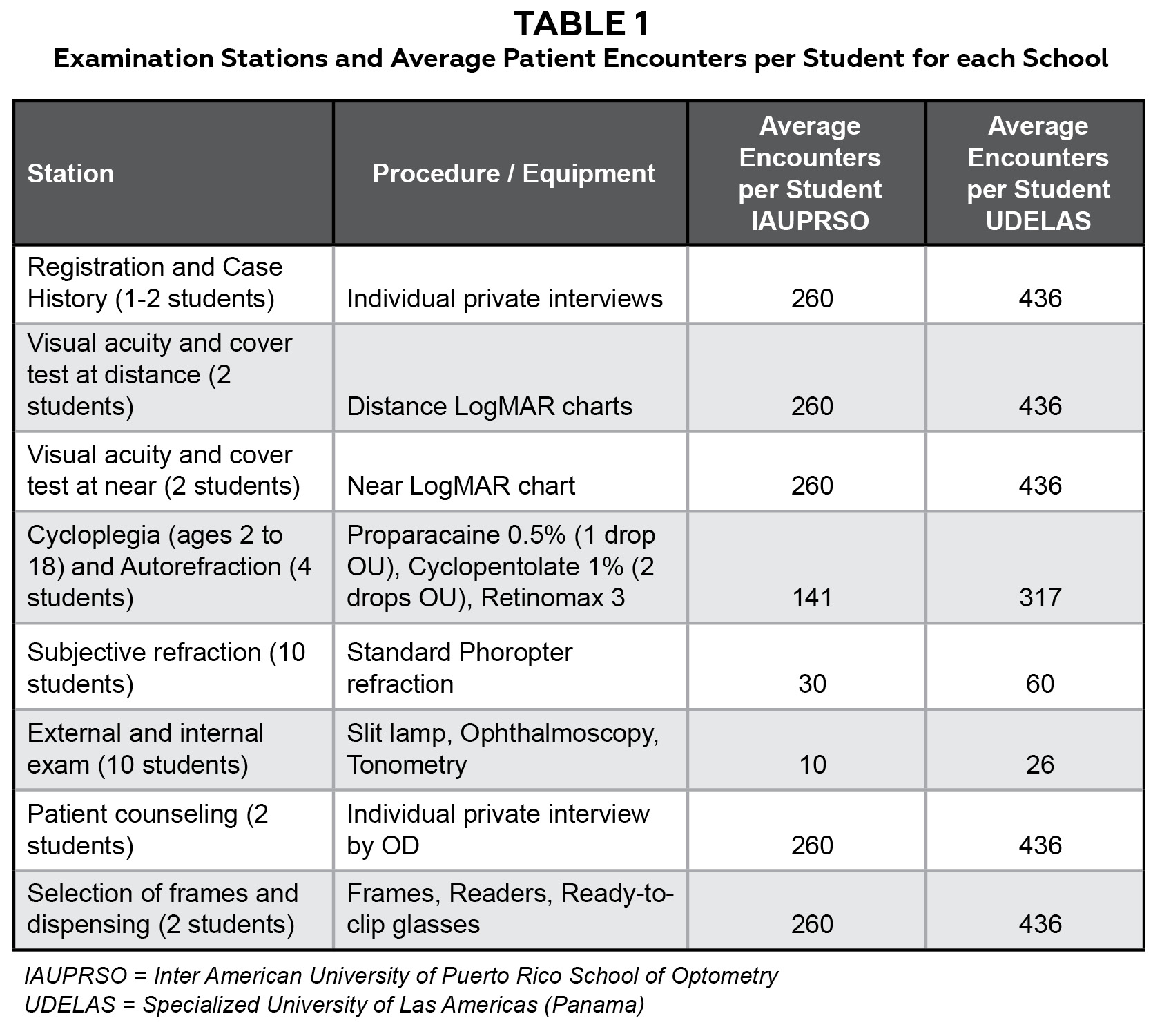
Table 1: Examination Stations and Average Patient Encounters per Student for each School. Click to enlarge
The IAUPR provided full international travel scholarships for optometry students with a defined grade point average. Twelve students (out of 15) from IAUPRSO were eligible and received full international travel scholarships. The university requires students who received scholarships to write a short essay on their experience. Since the university promotes internationalization, the essays provide evidence to accrediting agencies of the added value of international service activities. The other three students were not eligible for the travel scholarship and were not asked to write the essay. We read all the student essays. The responses were aggregated into topics and themes by consensus using the Dedoose© qualitative analysis software.20
Results
Students’ opportunities to develop clinical knowledge and skills, cultural competence and positive attitudes toward service
The essays from all 12 students indicated that the experience with the Guna Nega community enhanced their overall clinical skills and improved their diagnosis of ocular pathologies (Table 2).
The qualitative analysis of the students’ responses related to cultural competence revealed several key themes (Table 2). Students reported acquiring cultural competence and were particularly impacted by their first-hand experience with Poverty and the Lack of eye care within the Guna Nega community. They also acknowledged gains in cultural competence through Interaction with students from UDELAS and by gaining Knowledge about the Guna culture. Additionally, students valued the opportunity to Practice Spanish.
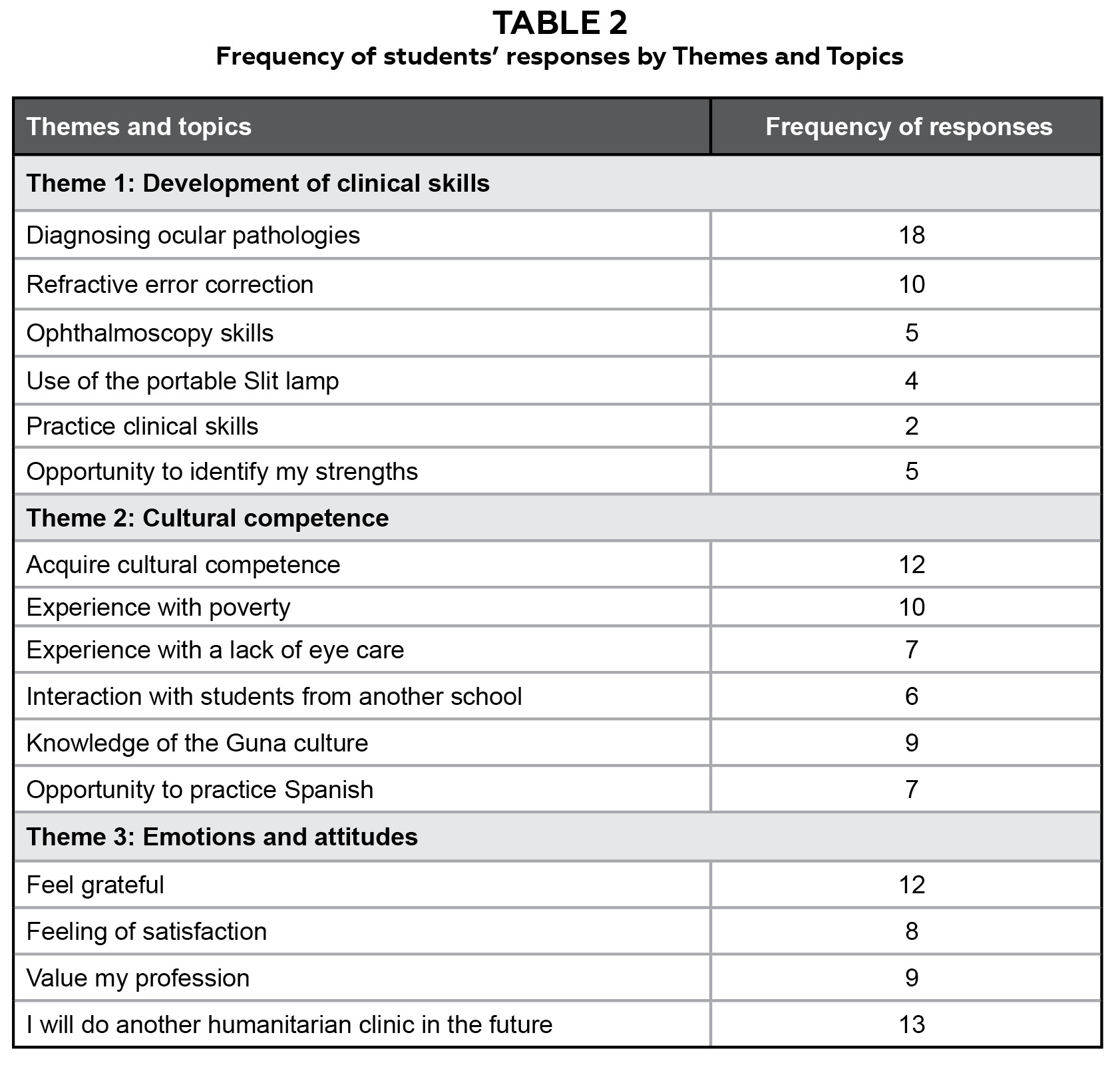
Table 2: Frequency of students’ responses by Themes and Topics. Click to enlarge
The students’ responses also highlighted a significant emotional and attitudinal impact (Table 2). They expressed feeling Grateful and a sense of Satisfaction, along with a renewed Value of my profession. Furthermore, they expressed a willingness to Do another humanitarian clinic in the future. Overall, the students’ responses demonstrated their perception of improved clinical skills, cultural competence and satisfaction with their humanitarian work.
Developing alliances
Humanitarian eyecare clinics provide immediate local services to a limited number of patients. Providing eyecare services to a larger population continuously requires the work of many concerned individuals and organizations. These organizations develop agreements and alliances that can sustain the services. Table 3 summarizes the collaborators, organizations and their roles in the project.
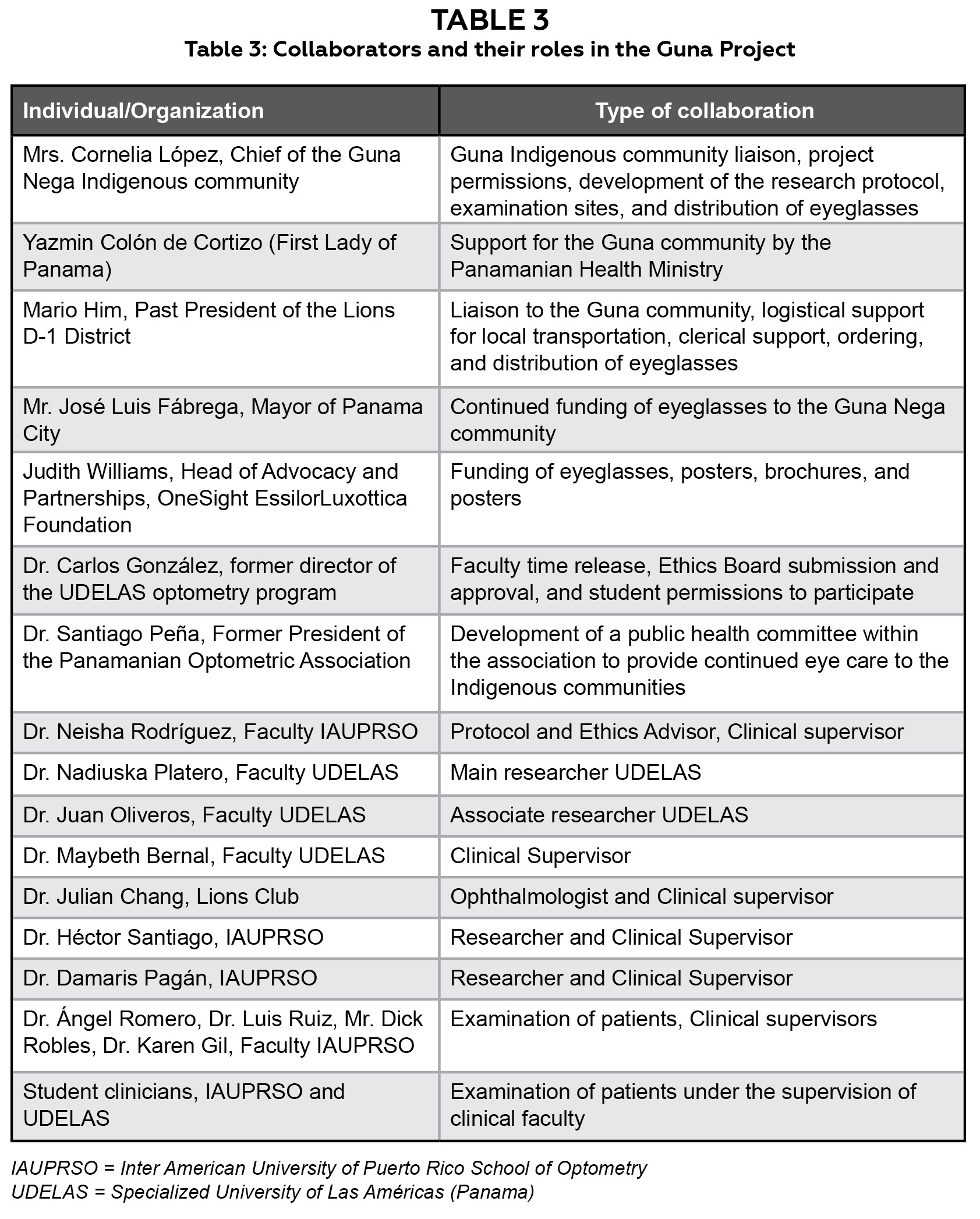
Table 3: Collaborators and their roles in the Guna Project. Click to enlarge
As reported in the literature, the success of collaborative work between academics and non-academics depends on frequent communication of the project’s objectives.21 For example, while the Guna community leader and the Lions Club’s partners wanted a large number of patients to be examined daily, we made it clear that the project’s goal was not only to provide eyecare services to the Gunas, but also to serve as a teaching and research clinic. For that reason, we limited the number of patients per day to be able to provide comprehensive examinations and reliable data collection using a strict protocol. The collaborative nature of the project was significantly enhanced because several optometrists were already members of VOSH/International and Lions Clubs International. These two leading non-governmental organizations (NGOs) share a common mission of providing eye care to disadvantaged populations, and this mutual understanding fostered clear and accessible communication between the optometrists and the organizations’ members.21
Enhancing the research capacity of faculty and students
This project significantly enhanced the research capacity of both faculty and students by providing hands-on experience in a novel epidemiological study on refractive error and visual impairment among the Guna people. This research was particularly noteworthy as it explored the prevalence of myopia, astigmatism, visual impairment and blindness in a Latin American Indigenous group.
Faculty members from both academic institutions played pivotal roles, spearheading the literature search, protocol development, consent form creation, statistical analysis and the preparation of posters and papers. Students were actively involved in data collection and transcription into EpiInfo, gaining valuable practical experience in research methodologies.
The findings from the Guna Project have been widely disseminated across multiple platforms, showcasing the project’s impact and contributing to the broader scientific community. Early results were presented in a poster at the American Academy of Optometry Congress, followed by a Zoom joint webinar of VOSH/International and the International Educators Special Interest Group of the Association of Schools and Colleges of Optometry in October 2023.22,23 More recently, the research was highlighted in a lecture at the Fifth World Congress of Optometry in June 2025 and has been published in a peer-reviewed public health journal.17,24
Beyond academic dissemination, the project actively advocated for the optometry profession. The initiative was publicized in Franja Visual, the largest regional vision care Latin American publication, and received a two-page spread in El Nuevo Día, Puerto Rico’s largest newspaper.25,26
The project’s funding also facilitated substantial donations to the UDELAS team, including a portable phoropter, autorefractor, visual acuity charts, prism bars and cycloplegic medications. These resources will enable the continuation of this vital research program, further solidifying the research infrastructure and opportunities for future faculty and student involvement.
Providing eye care and clinical education to an Indigenous community
The Guna community leaders distributed 700 examination tickets in advance. Patients were scheduled for one of the five half-day appointment periods to reduce waiting time. Out of the 700 people invited, 520 attended the clinic (74.3%). Because we originally planned to examine 700 persons, an additional 400 people from the Guna Nega community were invited between August and December 2022, resulting in 352 additional examinations. Of the total 872 patients seen by the clinic, 638, or 73.2%, were Indigenous Gunas.
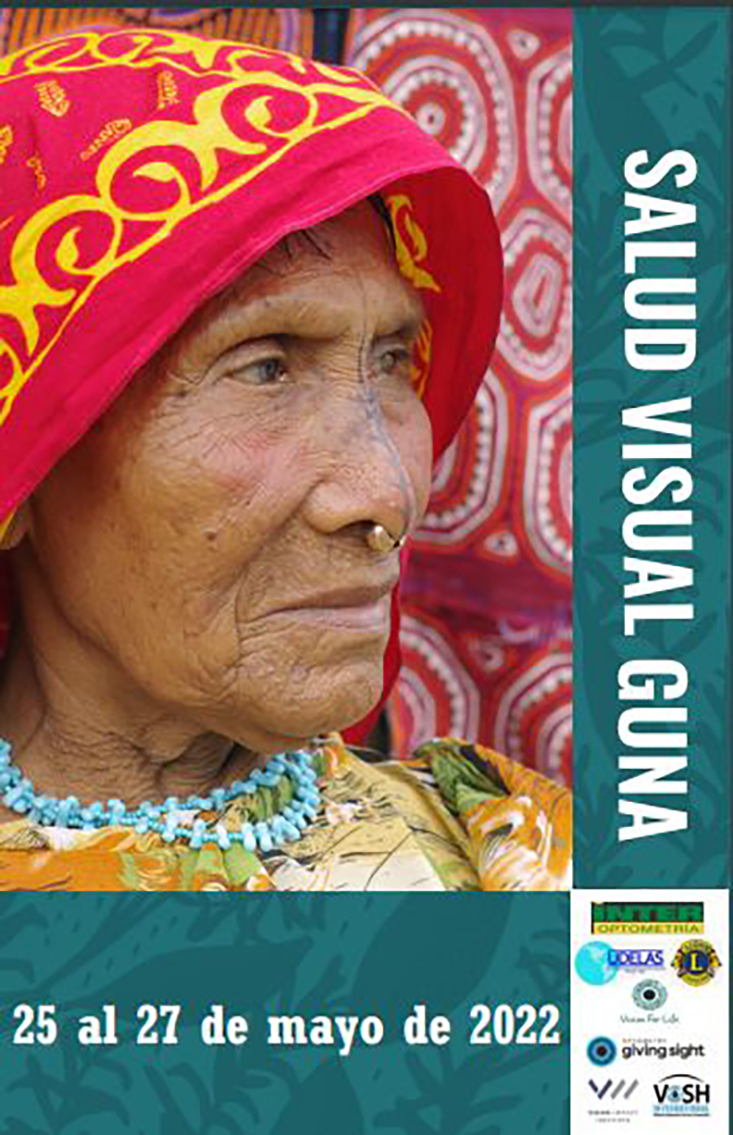
Figure 1: Commemorative poster distributed to the patients at the Guna Nega eye clinic in Panamá City. Click to enlarge
Among the Gunas, the mean age was 40.7 years (± 22.3 SD). The youngest Guna patient was 1 year old and the oldest was 92 years. Only 98 Gunas (15.4%) reported previous eye examinations. The prevalences of myopia (40.4%), astigmatism (36.6%), visual impairment (41.1%), and blindness (2.5%) are the highest of all indigenous groups.17 Despite the high prevalence of visual impairment and blindness, only 15.4% of had some form of ophthalmic correction. All Gunas needing an ophthalmic correction received custom-made eyeglasses, ready-to-clip single vision eyeglasses or readers. All patients who required custom-made eyeglasses received them within 2 months after their examination. After our refractive correction, visual impairment decreased to 10.0% and blindness to 1.5%.
Patients in need of further treatment like glaucoma, cataract or pterygia surgery were referred to the local hospital. One of the patients who underwent surgery was a 9 year-old with congenital cataracts.
About 60% of our sample could read basic Spanish, and 80% could speak Spanish. Informational banners were present in the examination areas, and the patients were provided with a commemorative poster (Figure 1) and color brochures with information on refractive errors and common eye conditions such as cataracts and diabetic and hypertensive retinopathy.
Discussion
The international humanitarian clinic in the Guna community provided a valuable opportunity for optometry students to enhance their clinical skills and cultural competence. Our findings, based on student perceptions, indicate that this experience was successful in both areas.
This hands-on experience in a real-world setting allowed them to apply the knowledge and skills they had acquired in their academic curriculum. These findings align with previous research showing that students participating in international health electives experience significant gains in clinical knowledge and skills and consider international health work in their careers.27
All students in the project at IAUPRSO took a required, first-year, two-semester course in cultural competence taught by the first author (Table 4).31 The 2.5-day Guna clinic provided a real-world opportunity for students from IAUPRSO to apply the knowledge and skills they learned and developed in the cultural competence course. On the other hand, faculty and students from UDELAS can provide long-term, sustainable optometric care to Indigenous communities in Panamá.28 The local clinicians can eventually become cultural safety advocates.
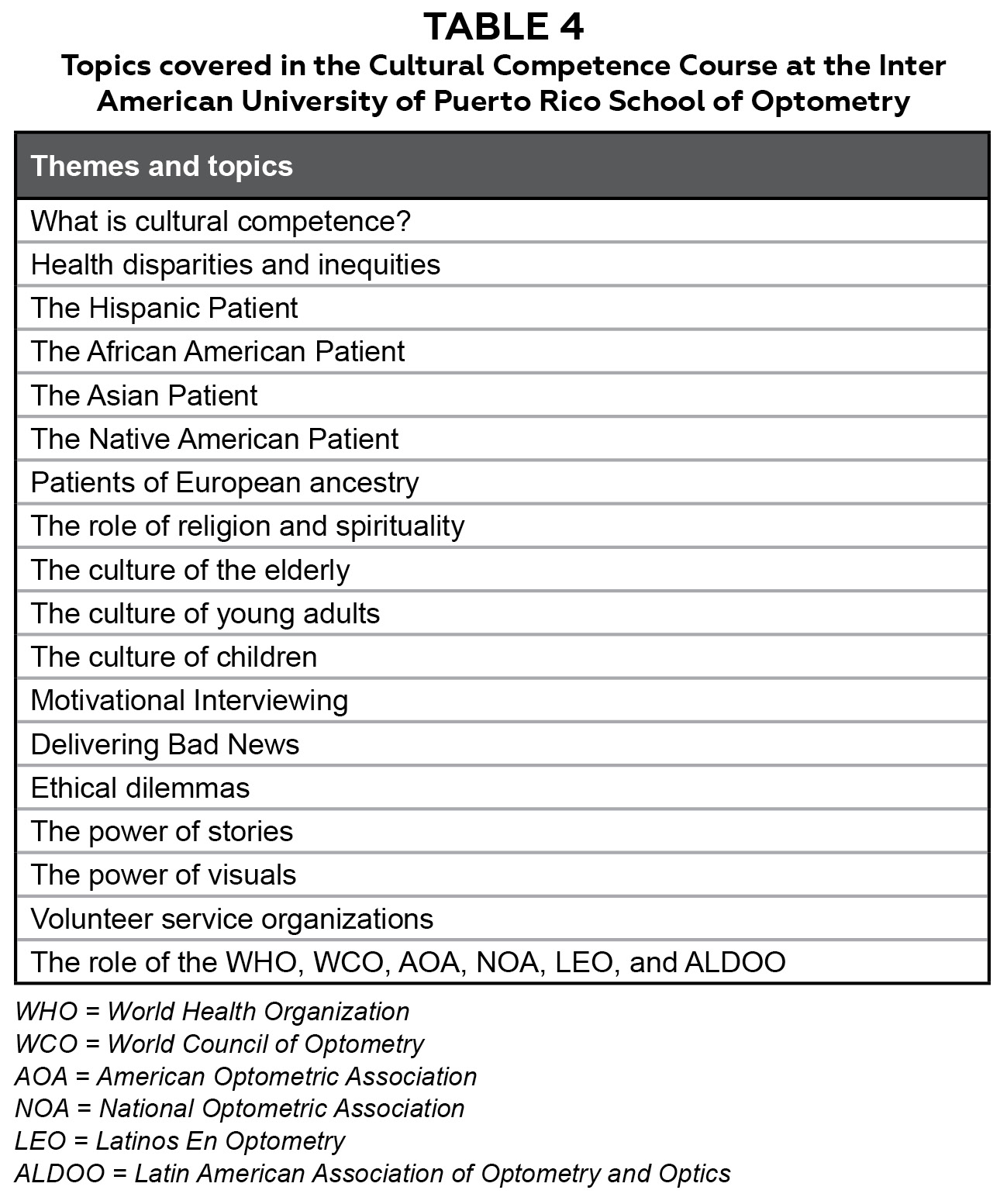
Table 4: Topics covered in the Cultural Competence course at IAUPRSO. Click to enlarge
Students’ responses revealed a heightened awareness and understanding of cultural factors influencing healthcare. This immersion in a different cultural context, including interaction with Panamanian students and Guna community members, fostered a greater appreciation for diverse perspectives. This is consistent with a survey of occupational therapy students, who also found that international clinical activities enhanced their cultural competence by providing authentic experiences that reflected the host culture.4
A key factor in the clinic’s success was the collaborative approach taken by all stakeholders. The project was a joint effort between two academic institutions, multiple organizations like VOSH/International and Lions Clubs, funding organizations such as the Optometry Giving Sight and the OneSight Essilor Luxottica Foundation, and critically, the Guna community itself. Decisions regarding eyecare activities and the study protocol were made by consensus with the Guna community, demonstrating a commitment to cultural competence and respect for local preferences. The involvement of Guna community members as interpreters and cultural liaisons was essential for effective communication and for providing context to patients’ responses.29
This collaboration also had significant benefits for faculty and the Panamanian optometry program. The project represents the first epidemiological research study conducted by the Panamanian institution, leading to capacity-building benefits. Faculty from both institutions developed robust research protocols and manuscript preparation skills. Additionally, Panamanian students gained invaluable hands-on field research experience. This strengthens the program’s research capabilities and helps to foster a new generation of clinicians and researchers dedicated to addressing health disparities in indigenous communities. The value of such international collaboration in epidemiological research has been advocated by other professions as a means to inform national health policies and understand the influence of culture on health.30,31
Conclusions
The Guna project was a collaborative effort between two optometry schools: IAUPRSO and UDELAS. The project provided comprehensive examinations and refractive corrections to those who needed them. The students perceived the project as an opportunity to refine their clinical skills. It also allowed the members of both school teams to interact clinically and socially, learn about the Guna culture and promote their cultural competence. The project allowed the two academic teams to collaborate and develop their clinical research knowledge and skills. The results were presented in a peer-reviewed poster, lecture and journal. Finally, it promoted a local Panamanian network of optometrists, the university, SVOSH members and members of the Lions Club to work together to provide sustainable eye care to other Indigenous and non-Indigenous communities in Panamá. International clinics like the Guna clinic can enhance the cultural and clinical skill-building experiences of students in the schools and colleges of optometry.
Acknowledgments
We acknowledge the support from the Optometry Giving Sight Foundation, OneSight EssilorLuxottica Foundation, VOSH/International, VSP, Panamá Lions Club, the former Mayor of the City of Panamá (Mr. José Luis Fábrega) and the former First Lady of Panamá (Mrs. Yazmín Colón de Cortizo).
We also acknowledge the support of the participating faculty and students from the Inter American University of Puerto Rico School of Optometry (IAUPRSO) and the Faculty of Medical and Clinical Sciences at the Specialized University of Las Américas (UDELAS) of Panamá.
Conflict of interest
The authors have no conflicts of interest associated with any company or product mentioned in the manuscript.
References
- Listenberger M. Bringing the World into Focus: The Story of VOSH (Volunteer Optometric Services to Humanity). Bloomington, IN: Author House; 2017.
- Clinics – VOSH/International [Internet]. Omaha, NE: Volunteer Optometric Services to Humanity; c2025 [cited 2025 August 7]. Available from: https://vosh.org/get-involved/clinics/
- de Guzman MR, Durden TR, Taylor SA, Guzman JM, Pothoff KL. Cultural Competence: An Important Skill Set for the 21st Century [Internet]. Lincoln, NE: University of Nebraska Lincoln [cited 2023 January 4]. Available from: https://extensionpublications.unl.edu/assets/html/g1375/build/g1375.htm
- Sequist TD, Fitzmaurice GM, Marshall R, et al. Cultural competency training and performance reports to improve diabetes care in black patients: a cluster randomized, controlled trial. Ann Intern Med 2010 Jan 5;152(1):40–6. DOI: 10.7326/0003-4819-152-1-201001050-00009
- Chabot M, Mitchell M, Stevens-Nafai E, Nafai S. Impact of Clinical and Cultural Activities on Personal Growth During International Service-Learning. Internet Journal of Allied Health Sciences and Practice. 2022 Jan 3;20(1):1-8. DOI: 10.46743/1540-580X/2022.2121
- Paez KA, Allen JK, Beach MC, Carson KA, Cooper LA. Physician cultural competence and patient ratings of the patient-physician relationship. J Gen Intern Med. 2009 Apr;24(4):495–8. DOI: 10.1007/s11606-009-0919-7
- Burton MJ, Ramke J, Marques AP, et al. The Lancet Global Health Commission on Global Eye Health: vision beyond 2020. Lancet Glob Health 2021 Apr;9(4):e489-e551. DOI: 10.1016/ S2214-109X(20)30488-5
- Tervalon M, Murray-García J. Cultural humility versus cultural competence: a critical distinction in defining physician training outcomes in multicultural education. J Health Care Poor Underserved 1998 May;9(2):117–25. DOI: 10.1353/hpu.2010.0233
- Ramsden IM. Cultural Safety and Nursing Education in Aotearoa and Te Waipounamu: A Thesis Submitted to the Victoria University of Wellington in Fullfillment of the Requirements for the Degree of Doctor of Philosophy in Nursing. Wellington, New Zealand; 2002.
- Brascoupé S. Cultural Safety Applicability to Aboriginal Health and Wellness. J Aborig Health 2009 Jan;5:6–41. DOI: 10.3138/IJIH.V5I2.28981
- Home – Inter American University of Puerto Rico School of Optometry [Internet]. Bayamón, PR: Inter American University of Puerto Rico; [cited 2025 September 1]. Available at: https://www.optonet.inter.edu/
- Udelas. Licenciatura en Doctor en Optometría [Internet]. Ciudad de Panamá, Panamá: Universidad Especializada de las Américas; [cited 2025 September 1]. Available from: http://oracle.udelas.ac.pa/en/facultades/facultad-de-ciencias-medicas-y-clinicas/ofertas-academicas/licenciatura-en-doctorado-profesional-en-optometria/
- Los pueblos indígenas de América Latina – Abya Yala y la Agenda 2030 para el Desarrollo Sostenible. Tensiones y desafíos desde una perspectiva territorial [Internet]. Santiago, Chile: United Nations Economic Commission for Latin America and the Caribbean; Available from: http://repositorio.cepal.org/bitstream/handle/11362/45664/17/S2000125es.pdf
- Urriola Candanedo G. Dinámica demográfica de las Comarcas Indígenas de Panamá [Internet] Revista Karakol 2023;3:44–57; c2023 [cited 2023 December 19] Available from: https://revistas.udelas.ac.pa/index.php/karakol/article/view/229/295
- Atencio C. La mujer que fundó Guna Nega [Internet]. Panamá, Panamá: La Estrella de Panamá. 2015 March [cited 2025 September 1]. Available from: https://www.laestrella.com.pa/panama/nacional/guna-nega-mujer-fundo-OKLE128251
- Furtado JM, Fernandes AG, Silva JC, Del Pino S, Hommes C. Indigenous Eye Health in the Americas: The Burden of Vision Impairment and Ocular Diseases. Int J Environ Res Public Health. 2023 Feb 21;20 (5):3820. DOI: 10.3390/ijerph20053820.
- Santiago H, Pagan D, Platero N, Oliveros J. Prevalence of Refractive Error and Visual Impairment in the Guna Indians of Panama. J Community Med Public Health. 2024 Sept 12;8:1–11. DOI: 10.29011/2577-2228.100467
- Center for Disease Control. Epi Info. Atlanta, GA.: Center for Disease Control; 2018.
- IBM SPSS Statistics for Windows, Version 28.0. Armonk, NY: IBM Corporation; 2021.
- Dedoose. Manhattan Beach, CA: SocioCultural Research Consultants; 2023.
- Giffords ED, Calderon O. Academic and Community Collaborations: An Exploration of Benefits, Barriers and Successes. Human Service Organizations: Management, Leadership & Governance 2015;39(4):1-9. DOI:10.1080/23303131.2015.1034907
- Santiago H, Pagan D, Platero N, et al. Refractive error, visual impairment, and ocular pathologies in the Guna indigenous population of Panama. Poster session presented at: American Academy of Optometry meeting; 2023 Oct 12; New Orleans, LA.
- Santiago H. Improving Sight and Cultural Understanding: The Guna Indian Project. Paper presented at: VOSH/ASCO meeting; 2023 Oct 5; Virtual.
- Santiago H. Improving Sight, Research, and Cultural Competence: The Indigenous Guna Project. Lecture presented at: Fifth World Congress of Optometry; 2025 Jun 26; Minneapolis, MN.
- Alvarado-León G. Alumnos y profesores de la Interamericana llevan salud visual al pueblo guna en Panamá [Internet]. Panamá, Panamá: El Nuevo Día. 2022 June 18 [cited 2024 December 31]. Available from: https://www.elnuevodia.com/noticias/locales/notas/alumnos-y-profesores-de-la-interamericana-llevan-salud-visual-al-pueblo-guna-en-panama/
- Kirsten-Coleman A. Vision Impact Institute se une a otros socios para llevar buena visión a poblaciones vulnerables en Panamá [Internet}. Bogota, Columbia: Grupo Franja 2022 May 24 [cited 2025 September 1]. Available from: https://grupofranja.net/vision-impact-institute-se-une-a-otros-socios-para-llevar-buena-vision-a-poblaciones-vulnerables-en-panama/
- Jeffrey J, Dumont R, Kim GY, Kuo T. Effects of International Health Electives on Medical Student Learning and Career Choice: results of a systematic literature review. Fam Med. 2011 Jan;43(1):21–8.
- Pearce MG. Volunteer-based vision nongovernmental organizations and VISION 2020. Optometry. 2008 Aug;79(8):464–71. DOI: 10.1016/j.optm.2007.10.016
- Kasten MJ, Berman AC, Ebright AB, Mitchell JD, Quirindongo-Cedeno O. Interpreters in Health Care: A Concise Review for Clinicians. Am J Med 2020 Jan 11;133(4):424-428.e2. DOI: 10.1016/j.amjmed.2019.12.008
- Gallani MC. International collaboration in the Nursing agenda in the coming decades. Rev Lat Am Enfermagem. 2016 Nov 21;24:e2739. DOI: 10.1590/1518-8345.0000.2739.
- Walker SN, Badger TA, Johnson J, Lengacher C, Prevost S, Romyn D. International Collaborative Research Guidelines [Internet]. Indianapolis, IN: Sigma Nursing; c2003 [cited 2024 December 30]. Available from: https://www.sigmanursing.org/docs/default-source/research-documents/guidelines_icr.pdf?sfvrsn=0