PEER REVIEWED
Perceptions and Attitudes of Optometry Students Towards the Use of Artificial Intelligence in Education and Practice
Guilherme F. C. Albieri, PhD
Abstract
This study examined the usage, purpose and attitudes of optometry students toward generative Artificial Intelligence (GAI) and explored their perceptions of AI in general (including both generative and predictive AI) in optometric practice, patient care and education. Over half of the respondents reported not using GAI, and most used it rarely or occasionally. Common uses included answering questions, clarifying complex topics, writing papers and emails, and providing mental health support. While satisfaction with GAI was above average, perceptions of its impact, efficiency, and accuracy were neutral. Students acknowledge AI’s potential in the industry and are open to using it in their future practices; however, reluctance persisted, particularly among those who had not yet adopted GAI tools.
Keywords
Introduction
The public release of Artificial Intelligence (AI)-powered tools in 2022, particularly ChatGPT and other Large Language Models (LLMs), captured global attention. For many, the accessibility to these powerful AI systems—which mimic key human cognitive processes such as learning, reasoning, pattern recognition, problem-solving, perception and generating human-like text from prompts—evoked mixed feelings.1,2,3,4 There was excitement about the accessibility, vast potential and low cost to consumers (e.g., LLM-based tools such as ChatGPT), and apprehension regarding their potential to transform various sectors.2,5
Since these initial public releases, numerous AI tools based on machine learning—particularly deep learning models that enable both generative and predictive AI—have entered the marketplace. Adoption of AI tools in health care and healthcare education has been equally significant, marked by an increasing number of students and clinicians integrating AI into their practices, and a surge in companies offering targeted AI-driven solutions.6,7,8
Generative Artificial Intelligence (GAI)—a type of AI that creates new content such as text and images based on large datasets—holds immense promise for transforming learning experiences, enhancing healthcare communications and documentation, and supporting patient care and practice efficiency.9,10 GAI’s applications span various domains. In education, it supports teaching by, for example, generating practice tests and learning by enhancing study strategies, such as summarizing complex materials, and enabling virtual clinical training simulations. In clinical settings, it can assist with analyzing patient symptoms and guiding further testing, chart summaries, educating patients, translations and streamlining healthcare processes (e.g, billing codes, customer service).7,8,11,12
Predictive AI—a type of AI that uses deep learning to identify patterns, anticipate behaviors and forecast future events—has shown promise in diagnosing refractive error, predicting the risks of myopia progression and extracting clinical insights and risk markers from medical images that were previously considered undetectable, to name a few.13,14
AI has the potential to augment, rather than replace, the capabilities of students and healthcare providers by leveraging collective knowledge to improve patient care.4,15 However, while there is excitement, there are also concerns, including ethical and legal challenges, the risk of generating incorrect information, over-reliance on AI leading to decline in cognitive processes and the lack of preparedness of students and professionals to effectively use AI systems.1,8,16,17
To fully realize the benefits of AI, future healthcare providers should become conversant with the technologies that will shape future practice.11,18,19 With the increasing integration of technology in education, particularly the emergence of AI tools, it becomes important to explore their role and impact in academic and professional settings.19 Given the ubiquity and high adoption rate of these tools, understanding students’ perception, attitudes and usage patterns of these tools is crucial for administrators and educators.11
To date, these attitudes have not been systematically examined in optometric education. This study aims to address this gap by examining optometry students’ usage pattern, purpose of usage and attitudes of optometry students towards GAI, including their satisfaction, perceived impact and confidence in GAI-generated answers. Additionally, this study explores how students perceive the applicability of AI in general (predictive and generative) in their education.
Throughout this paper, GAI refers specifically to AI systems used by students in their studies, while “AI” is used as a general umbrella term that encompasses both generative and predictive AI applications.
Methods
All matriculated students at the State University of New York (SUNY) College of Optometry, including students in the professional optometry program (OD) and graduate students enrolled in the vision science program were invited to participate in this IRB approved study. Participation was voluntary and anonymous.
Students were sent an online survey administered through the platform SurveyMonkey. All participants were provided with an informed consent form outlining the study’s purpose, procedures, anonymity, risks and benefits.
Participants responded to a series of five-point Likert-scale questions, ranging from Strongly Disagree (1) to Strongly Agree (5), assessing their perceptions, familiarity and attitudes toward AI in their professional and academic environments. Participants responded to a confidence rating question assessing their trust in AI-generated information for learning and clarifying concepts. The question utilized a five-point Likert scale, ranging from “Extremely Confident” to “Not at all Confident.” Participants answered two yes/no questions, indicating whether they currently use AI in their studies and whether they conduct research at the college. Participants responded multiple-response (“Select all that apply”) questions to assess for what specific tasks or purposes they used generative AI related to their optometric studies and how they have used generative AI in optometry school (i.e., Proofreading professional emails and letters, Composing professional emails and letters, etc.).
Participants also responded to open-ended questions designed to explore perceived benefits of GAI for optometry students, how creatively they used GAI in their studies, disadvantages or challenges of using GAI and an opportunity to express additional thoughts about their excitement or fright over this emerging technology. Responses to the open-ended questions were using a content analysis approach. Thematic categories were developed after an initial scan of the data. Themes were also generated by ChatGPT and compared to those identified by the author. Minor changes to the original themes were made based on the results of the ChatGPT analysis. Two independent coders, who had no role in survey design, reviewed all responses and assigned them to the final thematic categories. To ensure consistency, the coders first practiced on a set of five responses. Once calibrated, they independently coded the full dataset. Agreement on the primary category was 78%. Any differences were discussed and resolved through consensus.
Students who reported not using GAI were removed from the analysis of attitudes toward satisfaction, impact of AI on studies and learning, purpose for using AI and confidence in answers.
Data analysis was conducted using SPSS. Descriptive statistics were used to provide a clear summary of findings. Differences in mean responses between student groups (e.g., class year, gender) were evaluated using t-tests or Analysis of Variance (ANOVA) techniques. Categorical variables were analyzed using the chi-square test to assess associations between groups.
Results
Demographics
The study included respondents from all class years of the professional program, one PhD student, and one resident, totaling 143 participants or 35% of the student body. The distribution of students in the professional OD program was as follows: 17.48% (n = 25) were members of the Class of 2024, 17.48% (n = 25) from the Class of 2025, 16.08% (n = 23) from the Class of 2026, 26.57% (n = 38) from the Class of 2027, and 20.98% (n = 30) from the Class of 2028.
Regarding ethnicity, the majority of respondents were Asian (52.45%, n = 75), followed by White (27.97%, n = 40), Black or African American (6.29%, n = 9), Hispanic or Latino (4.20%, n = 6), Middle Eastern or North African (3.50%, n = 5), Multiracial (1.4%, n=2) , and another race or not listed” (4.2%, n = 6). There were no respondents identifying as Native American or Alaska Native, or Native Hawaiian or other Pacific Islander.
Respondents were 72.73% (n = 104) female, 26.57% (n = 38) male, and 0.70% (n = 1) identified as non-binary. Non-binary respondents were excluded from gender-based analyses due to low sample size.
In terms of involvement with research projects or programs at the college, 88.81% (n = 127) of respondents were not involved in any research activities, whereas 11.19% (n = 16) were engaged in research projects or programs.
Overall GAI Usage
When asked if they were currently using GAI in their studies, 57.34% (n = 82) of respondents indicated they were not using it, and 42.66% (n = 61) reported using GAI in their studies.
Gender and GAI Usage. There was no statistical difference between gender and the use of GAI tools,  2(1, N = 142) = 0.015, p = 0.901.
Class year and GAI Usage. No statistically significant difference was found between class year and the use of GAI tools, 2(4, N = 141) = 1.874, p = 0.759.
Research Involvement and GAI Usage. There was no significant association between being involved in research at the College and the use of GAI tools, 2(1, N = 143) = .196, p = 0.658.
GAI Tool
The most used GAI tool was ChatGPT, mentioned 32 times, followed by Google Gemini with five mentions, and Quizlet AI with four mentions.
Frequency of GAI Usage
Among those who reported using GAI in their studies, 34.43% (n = 21) indicated they use it rarely, 34.43% (n = 21) indicated they use it occasionally (monthly), 22.95% (n = 14) use it frequently (weekly), and 8.2% (n = 5) use it always (daily).
Satisfaction with GAI Tools
Regarding their satisfaction with AI tools aiding their studies, 3.28% (n = 2) were very satisfied, 68.85% (n = 42) were satisfied, 24.59% (n = 15) were neither satisfied nor dissatisfied, 1.64% (n = 1) were dissatisfied, and 1.64% (n=1) were very dissatisfied.
Perceived Effectiveness of GAI
When asked about the perceived impact of generative GAI on their studies, 3.28% (n = 2) found AI extremely effective, 34.04% (n = 16) found it very effective, 62.3% (n = 38) of respondents found it somewhat effective, while 6.56% (n = 4) found it not so effective. No respondents reported that it was not at all effective.
Impact of GAI on Learning Experience
Regarding the impact of GAI tools on their learning experience, 13.11% (n = 8) indicated that GAI has significantly improved their learning and understanding, 55.74% (n = 34) reported that it has been somewhat helpful in their studies, 31.15% (n = 19) stated that it has had no noticeable impact on their learning. None of the respondents reported that GAI has hindered their learning and understanding.
Confidence in GAI Tools
When asked about their confidence in the accuracy of answers provided by GAI models, 4.92% (n = 3) felt extremely confident, 27.87% (n = 17) felt very confident, 49.18% (n = 30) felt somewhat confident, 18.03% (n = 11) felt not so confident, while no respondents reported being not at all confident.
Use of GAI
Educational Use of GAI
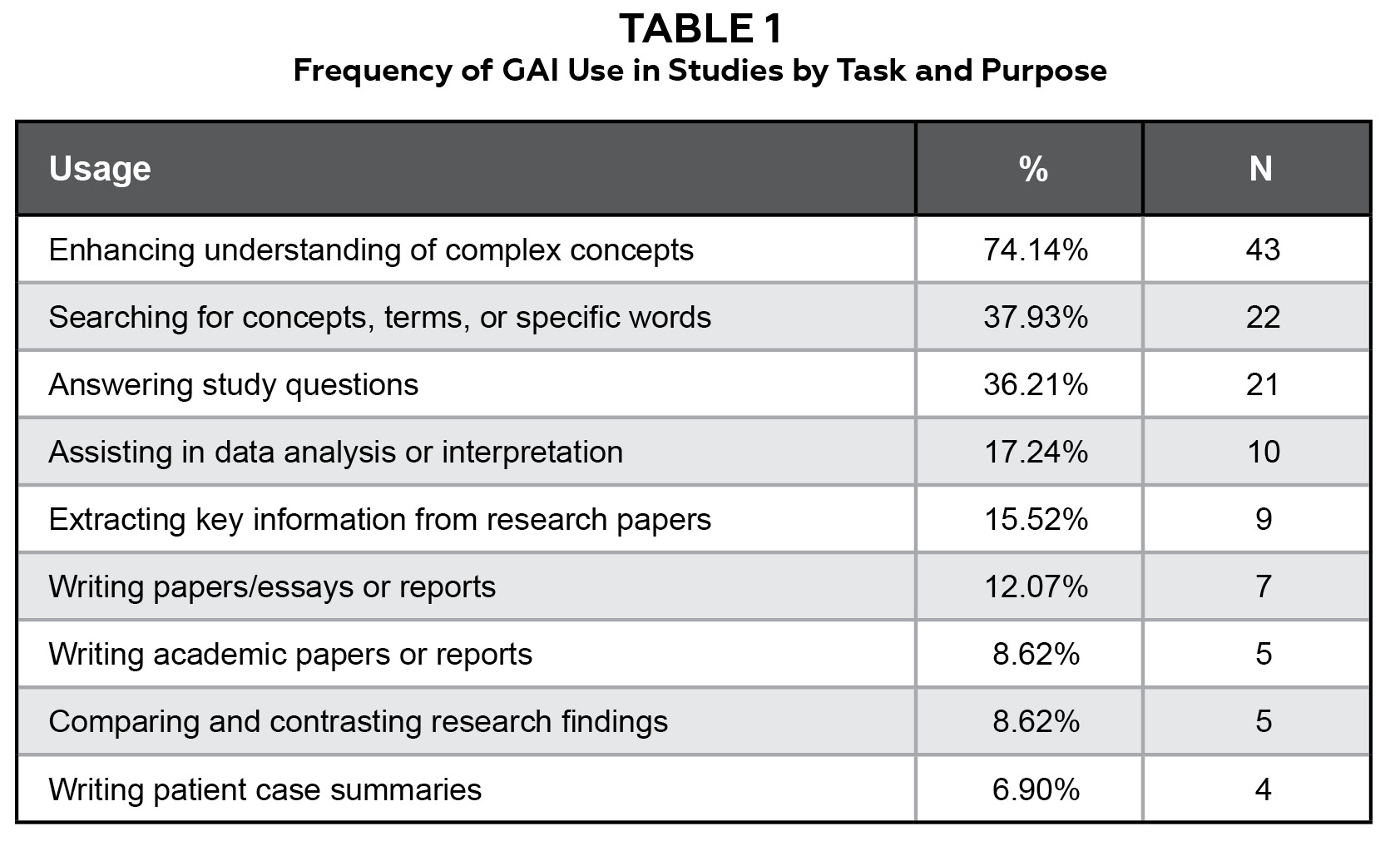
Table 1: Frequency of GAI Use in Studies by Task and Purpose. Click to enlarge
Respondents reported using GAI for a variety of tasks and purposes related to their studies. Table 1 presents these tasks and purposes, ranked from highest to lowest frequency of use.
Other uses mentioned by students included “create exam questions”, “generating practice questions”, “study mnemonics”, and “I ask for connections to real life scenarios and ask for ways to understand things easier.”
Non-Educational Use
Respondents indicated various other tasks for which they have used GAI in optometry school. Table 2 presents these tasks and purposes, ranked from highest to lowest frequency of use.
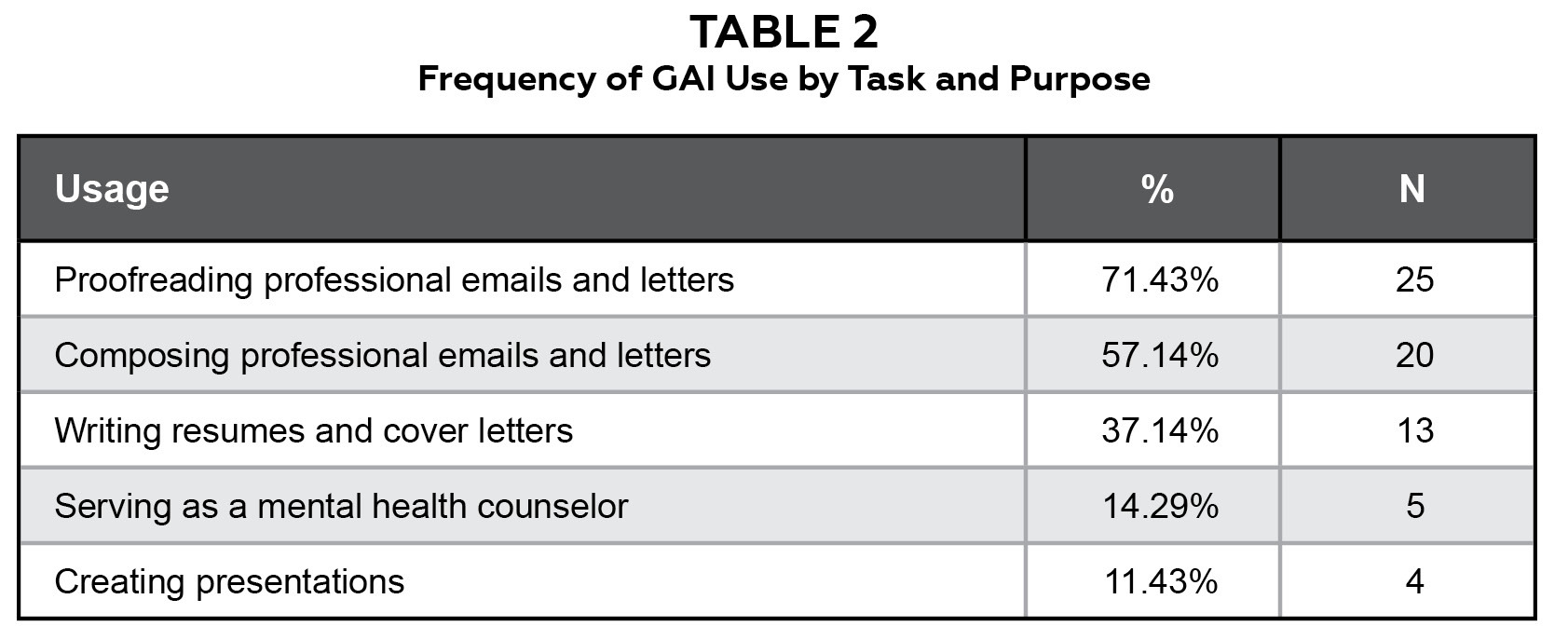
Table 2: Frequency of GAI Use by Task and Purpose. Click to enlarge
Other usage included “Creating a proper study schedule and workout schedule depending on my goals.”
Creative GAI usage
When asked about creative ways in which they have used AI to aid their students, students responded:
- “I would ask to explain it how they would to a 5 year old [sic]”
- “Downloaded lectures and asked to generate summaries”
- “Use it to make flash cards from notes”
- “When there is a concept that is hard to understand I ask ChatGPT to break it down in a more digestable [sic] way”
- “Ask questions, making summaries. Solve problem. Help understand complex concepts.”
- “I use ChatGPT to provide clarification for certain topics whether it is to dumb it down for me or provide an analogy to explain it to me in a different way.”
- “Summarizing textbook, reading materisls [sic]”
Benefits of GAI Use in Education
Students were asked about the main benefits of GAI in their studies. The answers were categorized and summarized below:
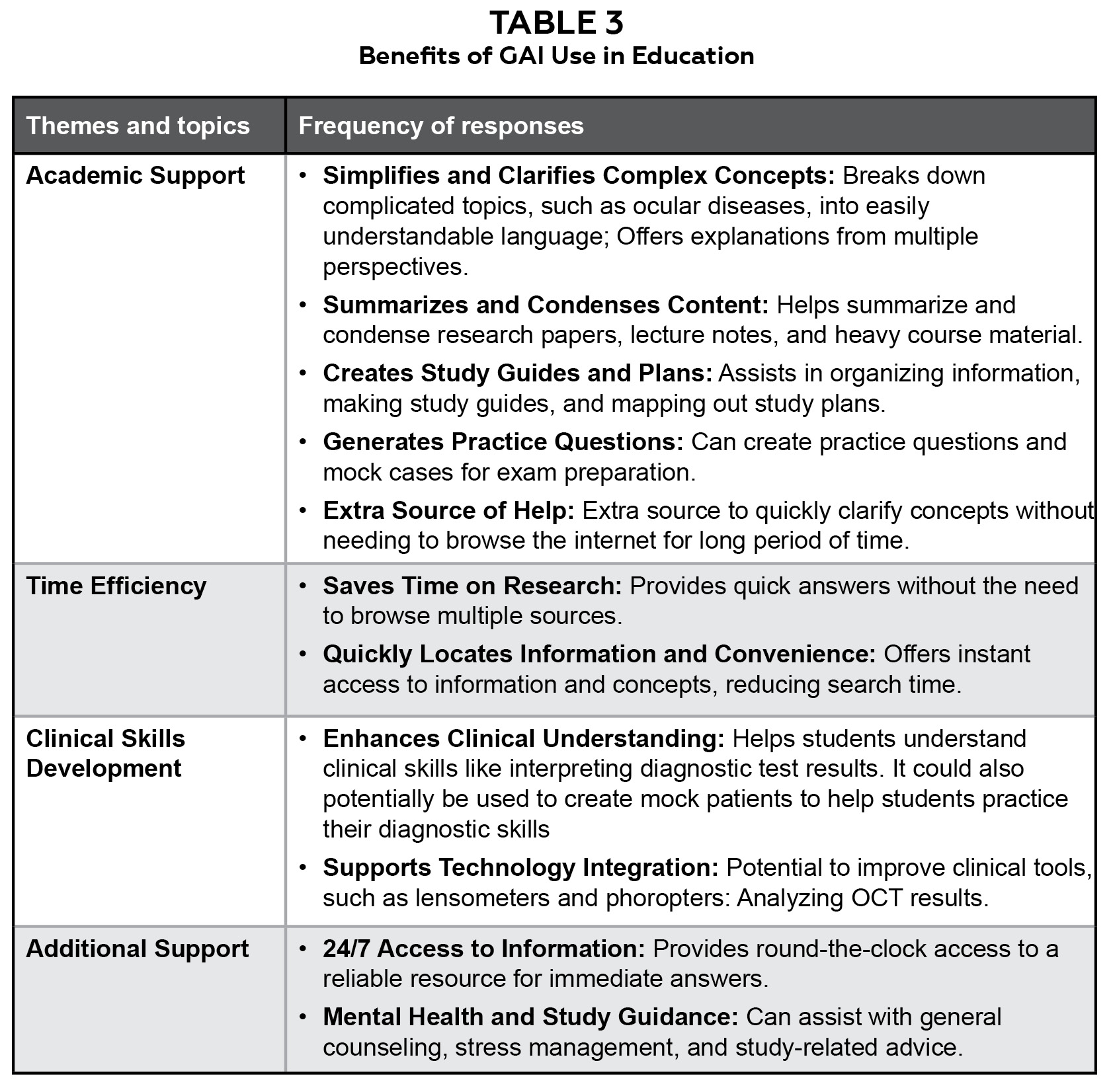
Table 3: Benefits of GAI Use in Education. Click to enlarge
Challenges with GAI Use in Education
Students were asked about the disadvantages or challenges of using GAI in their studies. The main challenges identified by students were categorized into the following themes:
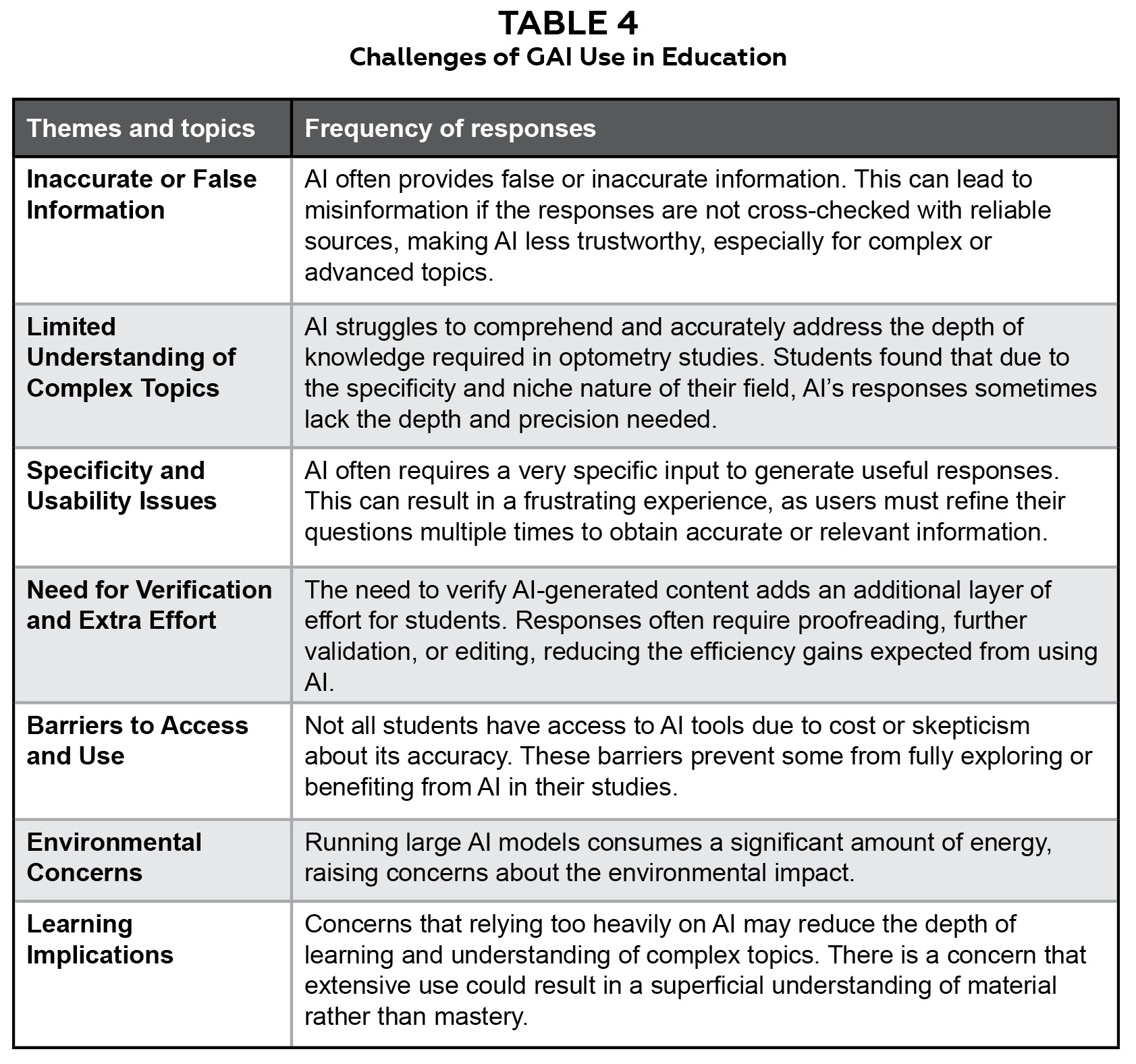
Table 4: Challenges of GAI Use in Education. Click to enlarge
AI in Professional Practice
Overall Attitudes over AI
As shown in Table 5, respondents generally recognize the impact that AI will have in the future of optometry and vision science. Two-thirds agreed AI will significantly impact the future of optometry or vision science practice (65.67%). Half of the respondents (50%) view AI as a valuable tool for improving diagnostic accuracy and treatment outcomes. Despite the recognition that AI will impact the profession, slightly over half of respondents (52%) believe AI will improve optometry and vision care, with a considerable proportion (40%) remaining neutral.
Feelings Surrounding AI
Student were divided on whether AI developments excite or concern them. Approximately 42% were neutral and 40% agreed that they were excited about developments in AI. However, student remain positive about it, with the majority (63%) expressing optimism about the potential benefits of AI in advancing vision care.
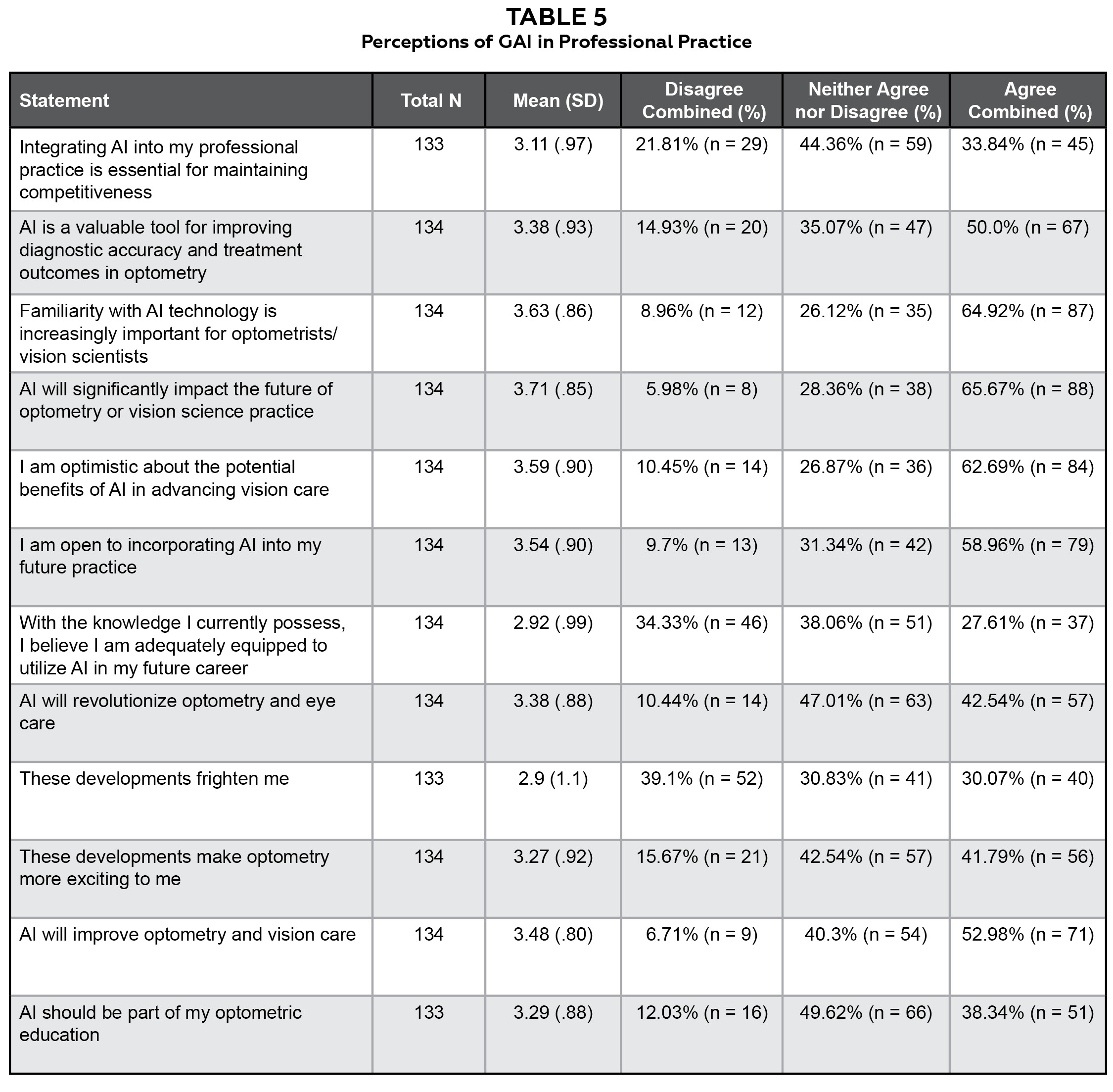
Table 5: Perceptions of GAI in Professional Practice. Click to enlarge
Readiness and Educational Needs
Familiarity with GAI technology was considered important by a substantial percentage of respondents (65%). However, despite the recognition of AI’s importance and that familiarity is necessary, more than a third (34%) of respondents believed that they were not adequately equipped to utilize AI in their future careers, given their current knowledge of the technology, while 38% were neutral. When asked if GAI should be part of their education, about half (49%) were unsure, while 38% agreed it should be incorporated in their training.
Differences by Gender, AI Usage and Research Status
Table 6 shows how perceptions varied by AI usage, gender and research involvement. Respondents who already used AI were consistently more favorable in their views. For instance, they rated “AI as a valuable tool for improving diagnostic accuracy and treatment outcomes” higher than non-users (MAI Users = 3.55 vs. MNon-Users = 3.23, p < .05), and expressed greater optimism about AI’s potential (MAI Users = 3.83 vs. MNon-Users = 3.39, p < .001). They were also more open to incorporating AI into future practice (MAI Users = 3.75 vs. MNon-Users = 3.36, p = .01) and less likely to be frightened by AI developments (MAI Users = 2.64 vs. MNon-Users = 3.11, p = .01).
Gender differences emerged primarily around the importance of familiarity with AI: female respondents rated this higher than males (MFemale = 3.73 vs. MMale = 3.36, p < .05). Research involvement was linked to heightened excitement and perceived benefits of AI; those conducting research found AI more exciting (M = 3.63) and beneficial (M = 3.81), compared to their peers not involved in research (p = .05).
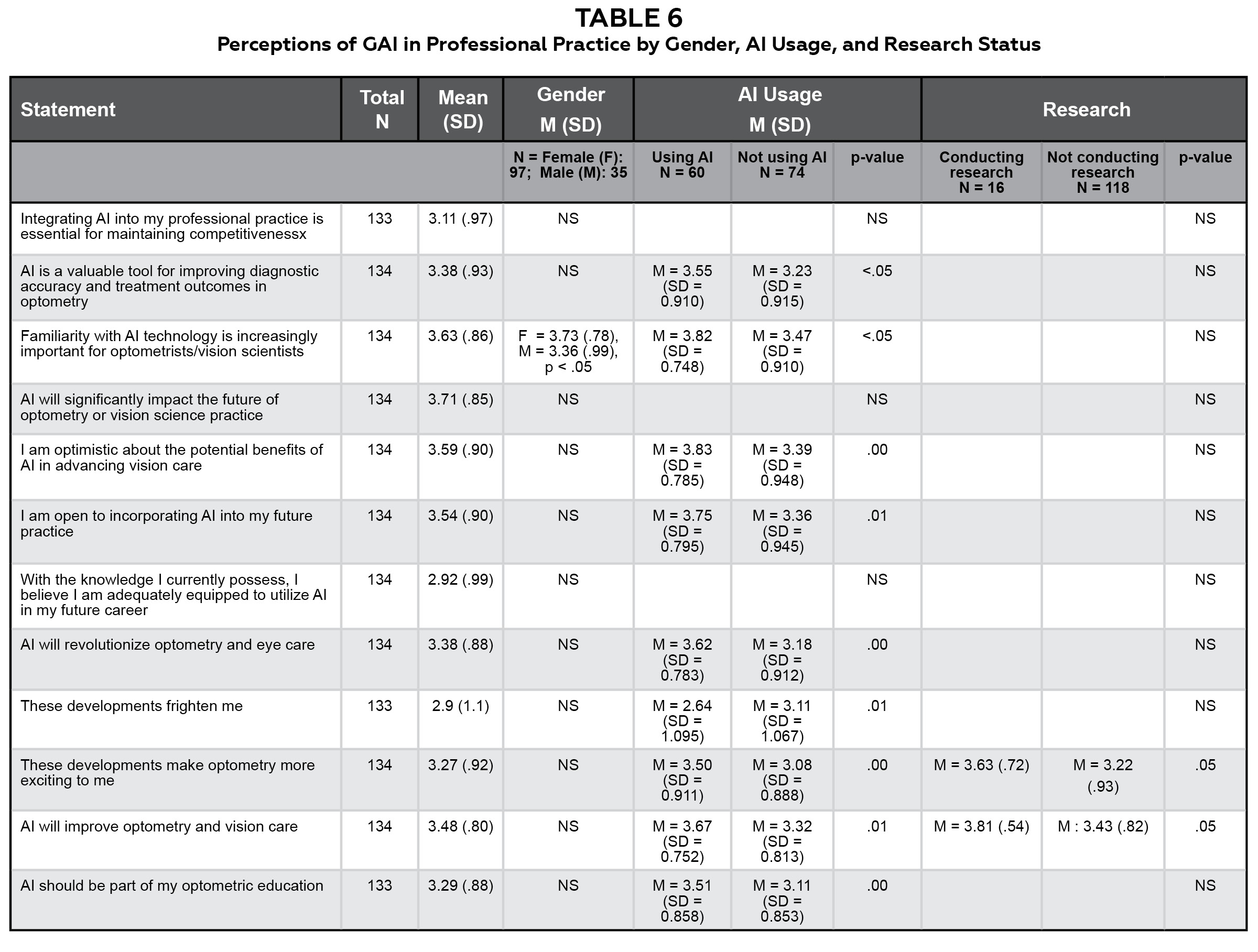
Table 6: Perceptions of GAI in Professional Practice by Gender, AI Usage, and Research Status. Click to enlarge
Discussion
The present study aimed to understand the overall usage, purpose of usage, attitudes of optometry students towards GAI, including overall satisfaction, confidence and perceived impact of GAI generated answers. Additionally, it explored students’ perceptions of the applicability of AI in optometric practice and patient care.
GAI Use Rate and Student Perceptions
Contrary to expectations, most respondents (57.34%) reported not using GAI in their studies. This finding contrasts with other research showing that half of college students use AI in their studies.20 A plausible explanation could be the timing when students were exposed to GAI, with professional students being exposed later in their educational careers, whereas college students may have been introduced to it earlier, possibly during high school. Research also suggests that students’ field of study explain differences in usage and acceptance of GAI tools. For example, engineering and technology students show higher usage rates and trust in GAI tools, while medical and health care students showed less positive attitudes.21 Also, specific demands of optometric education, which does not emphasize writing and editing, may limit the utility of GAI for this cohort. However, a survey of college students showed that “understanding difficult concepts” was one of the main reasons for using GAI,20 a trend that aligns with the findings in this study. As students find creative ways to apply GAI beyond editing and writing, such as creating practice problems and patient cases, the percentage of users may increase considerably.15
Surprisingly, there was consistent usage of GAI across class years and research status at the College. It was expected that students in earlier years, who might have been introduced to AI during their undergraduate studies, would have higher usage rates. Additionally, students involved in research were expected to use GAI more frequently due to its utility in summarizing and editing. Gender was not a factor influencing AI usage, which contradicts previous research showing that males were more likely to use ChatGPT compared to females.21,22
The frequency of GAI usage was moderate, with only 8% using AI tools daily and more than one-third (34%) stating they used AI tools rarely. Although existing studies suggest higher use rate of AI in education, these results need to be interpreted cautiously. The documented increase in AI use appears to be a recurring trend when compared to early reports,21 suggesting that adoption levels will likely continue to rise as AI capabilities evolve and students become more familiar and comfortable with those tools.
Satisfaction rates were relatively high, with the majority expressing satisfaction (68.85%) and a similar percentage (62.3%) finding AI tools somewhat effective. In terms of the impact on their studies, the majority (55.74%) reported finding AI somewhat helpful, while 31.15% remained neutral. Very high or very low satisfaction, effectiveness, impact and confidence were rarely reported, and extreme dissatisfaction or perceptions of ineffectiveness were almost non-existent. Students’ perceptions of satisfaction, effectiveness and impact may increase as their confidence in GAI responses improves. Research shows that students’ competence in using AI technologies significantly influences their learning effectiveness and outcomes.23 Students felt somewhat confident (49.18%) in the accuracy of responses, while nearly one in five felt “not so confident.” This lack of confidence may be due to the current limitations and error-proneness of GAI models. By closing this confidence gap, students may be more willing to adopt GAI as a study tool.1,24
The tasks for which students use GAI are diverse. Breaking down complex concepts to aid understanding was the primary purpose, followed by searching for concepts, terms or specific words, and answering questions. In non-study-related tasks, most students used GAI for proofreading (71%), composing (57%) professional emails and letters, and for writing resumes and cover letters (37%). Interestingly, some students even reported using AI as a mental health counselor (14%), an emerging trend that addresses the surge in the prevalence of mental health disorders, but raises important ethical, privacy and efficacy considerations.25
Benefits and Challenges of GAI Use in Education
The perceived benefits of GAI for optometry students are manifold, ranging from academic support to time efficiency and clinical development.
Despite the perceived benefits, the study identified several challenges with GAI use, most notably the output of false or inaccurate information. Additionally, although AI was recognized by students as improving time and efficiency, there were concerns about potentially wasting time due to the need to cross-reference AI-generated content with credible sources. Students also expressed doubts about GAI’s ability to understand and respond to complex topics. With the continuous and rapid development of LLMs, this may become a moot issue soon. For instance, a study showed that although ChatGPT demonstrated a significant decrease in performance as the complexity of questions increased, the model was still able to reach a passing threshold for the USMLE Step 1 for a third-year medical student.26
Another concern raised by students was the over-dependency on GAI, which could result in a superficial understanding of material rather than mastery. Intuitively, students grasp the perils of cognitive offloading, the usage of external aids or tools, including AI, to reduce cognitive workload.1,27 Overreliance on these tools can diminish deep engagement, memory formation, independent problem-solving and critical-thinking, raising concerns about long-term impacts on cognitive abilities.1 The rate of cognitive offloading is likely to increase as trust in AI tools increase.24 Due to the likely increase and negative consequences of cognitive offloading, its impact on student performance in optometry school, board examination and clinical care needs to be closely monitored and proactively addressed. Educators should consider teaching students when and how to integrate AI in ways that deepen rather than dilute understanding, and, more than ever, emphasize the importance of deep learning as the foundation to long-term clinical reasoning and professional growth.
AI in Professional Practice
The data indicate that most respondents recognize AI’s relevance to optometry and vision science, though the urgency and readiness to embrace it differ significantly. Over half (65.67%) believe that AI will significantly impact the future of optometry, and half (50%) see it as a tool for improving diagnostic accuracy and treatment outcomes. Nevertheless, fewer respondents believe AI will fully revolutionize eye care (42.54%) or feel particularly excited about these developments (41.79%). This pattern suggests a cautious optimism: many acknowledge AI’s potential but remain skeptical if it will truly be transformative. Usage of GAI tools was associated with greater excitement and more positive views of AI’s impact on the profession in various measures (Table 6), underscoring the role that personal usage and exposure to new technologies play in shaping perceptions. Although perceptions may continue to evolve as AI technology advances and familiarity increases, this finding may also reflect the tendency of health profession students to adopt AI technologies more cautiously compared to those in engineering or technology-focused fields.21
The notion that healthcare professionals—particularly in a humanistic field such as optometry—may be less inclined to embrace AI was underscored by responses to the open-ended questions. Some participants explicitly stated that “humans, not robots, should be engaged in eye care,” or that they “don’t care about AI.” In a few more extreme comments, respondents labeled individuals trained with AI tools as “hopeless” and that the legitimacy of their degrees should be questioned.
Although 58.96% of respondents expressed openness to incorporating AI tools into their future practices, just over one-third (33.84%) felt that integrating AI was necessary to maintain competitiveness. This relatively low figure may reflect uncertainty about how AI tools will evolve to enhance efficiency in optometric settings. By streamlining administrative tasks, AI has the potential to free up optometrists’ time and energy, allowing them to devote more attention to patient care.28 It is important to remember this study focuses on students. The findings may look different if the same questions were posed to optometrists active in the field who must deal with mundane administrate tasks. Also, exposure to real-world AI tools could yield confident responses.
Preparedness is a known barrier to AI usage.22,29 In this study, only 27.61% of students felt equipped to utilize AI in their future careers, and only 38.34% agreed that AI should be part of their optometric education. This finding seems at odds with the 64.92% who view familiarity with AI technologies as increasingly important. AI literacy will increasingly become essential as AI powered applications infiltrate the market, shaping the skills and expertise expected of healthcare providers.30,31
Future Research
This study was limited to students at one college of optometry. Future research should expand to include perceptions of students from other optometry programs to provide a broader understanding of GAI usage. Additional studies should investigate potential disparities between GAI usage by optometry students compared to other health profession students, as well as differences between undergraduate and graduate student populations. Longitudinal studies should be conducted to monitor acceptance and usage rates over time, especially as AI models become more accurate and sophisticated. Comparative performance between GAI users and non-users should be examined in future studies.
Conclusion
AI is a powerful and transformative technology that is reshaping entire industries—optometry and optometric education included. Findings from this study suggest that, while optometry students expressed optimism toward AI, they remained somewhat reluctant to fully incorporate generative AI tools into their academic activities and expressed caution about the broader role of AI in future clinical practice. As AI models evolve, become more accurate and see increasing everyday use, broader acceptance is likely to follow. This study therefore offers a valuable baseline for observing shifts in AI acceptance and usage over time. In the meantime, optometry programs face the challenge of determining how to harness AI’s capabilities for both learning and patient care, all while navigating curricular constraints and ensuring these emerging tools ultimately serve to enhance, rather than dilute, students’ educational experience. Educators must prepare students not only to use these powerful tools, but to evaluate them critically, question their outputs and have the wisdom to know when to rely on them. As AI become more integrated in learning environment, educators should emphasize more than ever the importance of deep and lifelong learning, clinical excellence and ethical patient care.
References
- Gerlich M. AI Tools in Society: Impacts on Cognitive Offloading and the Future of Critical Thinking. Societies. 2025;15(1). DOI:10.3390/soc15010006
- Dwivedi YK, Kshetri N, Hughes L, et al. “So what if ChatGPT wrote it?” Multidisciplinary perspectives on opportunities, challenges and implications of generative conversational AI for research, practice and policy. Int J Inf Manage. 2023;71. DOI:10.1016/j.ijinfomgt.2023.102642
- Wong WKO. The sudden disruptive rise of generative artificial intelligence? An evaluation of their impact on higher education and the global workplace. Journal of Open Innovation: Technology, Market, and Complexity. 2024;10(2). DOI:10.1016/j.joitmc.2024.100278
- Bellanda VCF, Dos Santos ML, Ferraz DA, Jorge R, Melo GB. Applications of ChatGPT in the diagnosis, management, education, and research of retinal diseases: a scoping review. Int J Retina Vitreous. 2024 Oct 17;10(1). DOI:10.1186/s40942-024-00595-9
- Wong WKO. The sudden disruptive rise of generative artificial intelligence? An evaluation of their impact on higher education and the global workplace. Journal of Open Innovation: Technology, Market, and Complexity. 2024 Apr;10(2). DOI:10.1016/j.joitmc.2024.100278
- Dave M, Patel N. Artificial intelligence in healthcare and education. Br Dent J. 2023 May;234(10):761-764. DOI:10.1038/s41415-023-5845-2
- Henry TA. 2 in 3 physicians are using health AI—up 78% from 2023 [Internet]. Chicago, IL: American Medical Association; 2025 Feb 26 [cited 2025 July 5]. Available from: https://www.ama-assn.org/practice-management/digital-health/2-3-physicians-are-using-health-ai-78-2023
- Xu X, Chen Y, Miao J. Opportunities, challenges, and future directions of large language models, including ChatGPT in medical education: a systematic scoping review. J Educ Eval Health Prof. 2024;21. DOI:10.3352/jeehp.2024.21.6
- Civaner MM, Uncu Y, Bulut F, Chalil EG, Tatli A. Artificial intelligence in medical education: a cross-sectional needs assessment. BMC Med Educ. 2022 Nov 9;22(1). DOI:10.1186/s12909-022-03852-3
- Dave M, Patel N. Artificial intelligence in healthcare and education. Br Dent J. 2023 May;234(10):761-764. DOI:10.1038/s41415-023-5845-2
- Mir MM, Mir GM, Raina NT, et al. Application of Artificial Intelligence in Medical Education: Current Scenario and Future Perspectives. J Adv Med Educ Prof. 2023 Jul;11(3):133-140. DOI:10.30476/jamp.2023.98655.1803
- Waisberg E, Ong J, Kamran SA, et al. Generative artificial intelligence in ophthalmology. Surv Ophthalmol. 20255 Jan-Feb;70(1):1-11. DOI:10.1016/j.survophthal.2024.04.009
- Poplin R, Varadarajan AV, Blumer K, et al. Predicting Cardiovascular Risk Factors from Retinal Fundus Photographs using Deep Learning. Nat Biomed Eng. 2018 Mar;2(3):158-164. DOI:10.1038/s41551-018-0195-0
- Nguyen T, Ong J, Jonnakuti V, et al. Artificial intelligence in the diagnosis and management of refractive errors. Eur J Ophthalmol. 2025 Jul;35(4):1456-1480. doi:10.1177/11206721251318384
- Canadian boards Study-Guide-2025 [Internet]. Stouffville, Ontario: Optometry Examining Board of Canada; c2024 [cited 2025 February 9]. Available from: https://oebc.ca/wp-content/uploads/2024/12/Study-Guide-2025.pdf
- Busch F, Hoffmann L, Truhn, D, et al. Global cross-sectional student survey on AI in medical, dental, and veterinary education and practice at 192 faculties. BMC Med Educ. 2024 Sep 28;24(1):1066. DOI: 10.1186/s12909-024-0635-4
- Bellanda VCF, Dos Santos ML, Ferraz DA, Jorge R, Melo GB. Applications of ChatGPT in the diagnosis, management, education, and research of retinal diseases: a scoping review. Int J Retina Vitreous. 2024 Oct 17;10(1). DOI:10.1186/s40942-024-00595-9
- McCoy LG, Nagaraj S, Morgado F, Harish V, Das S, Celi LA. What do medical students actually need to know about artificial intelligence? NPJ Digit Med. 2020 Jun 19;3(1). DOI:10.1038/s41746-020-0294-7
- Lomis K, Jeffriers P, Palatta A, et al. Artificial intelligence for health professions educators. NAM Perspect. 2021 Sep 8:1-14. DOI:10.31478/202109a
- Generative AI in Higher Education: Fall 2023 Update of Time For Class Study | Enhanced Reader [Internet]. Boston, MA: Tyton Partners; c2025 [cited 2025 April 9]. Available from: https://tytonpartners.com/app/uploads/2023/10/GenAI-IN-HIGHER-EDUCATION-FALL-2023-UPDATE-TIME-FOR-CLASS-STUDY.pdf
- Stöhr C, Ou AW, Malmström H. Perceptions and usage of AI chatbots among students in higher education across genders, academic levels and fields of study. Computers and Education: Artificial Intelligence. 2024 Dec;7. DOI:10.1016/j.caeai.2024.100259
- Maaß L, Grab-Kroll C, Koerner J, et al. Artificial Intelligence and ChatGPT in Medical Education: A Cross-Sectional Questionnaire on students’ Competence. J CME. 2024 Dec 24;14(1):2437293. DOI:10.1080/28338073.2024.2437293
- Fakhri MM, Ahmar AS, Isma A, Rosidah R, Fadhilatunisa D. Exploring Generative AI Tools Frequency: Impacts on Attitude, Satisfaction, and Competency in Achieving Higher Education Learning Goals. EduLine: Journal of Education and Learning Innovation. 2024;4(1):196-208. DOI:10.35877/454ri.eduline2592
- Gerlich M. Exploring Motivators for Trust in the Dichotomy of Human—AI Trust Dynamics. Soc Sci. 2024 May;13(5). DOI:10.3390/socsci13050251
- Olawade DB, Wada OZ, Odetayo A, David-Olawade AC, Asaolu F, Eberhardt J. Enhancing mental health with Artificial Intelligence: Current trends and future prospects. Journal of Medicine, Surgery, and Public Health. 2024 Apr;3:100099. DOI:10.1016/j.glmedi.2024.100099
- Gilson A, Safranek CW, Huang T, et al. How Does ChatGPT Perform on the United States Medical Licensing Examination? The Implications of Large Language Models for Medical Education and Knowledge Assessment. JMIR Med Educ. 2023 Feb 8:9:e45312. DOI:10.2196/45312
- Dave M, Patel N. Artificial intelligence in healthcare and education. Br Dent J. 2023 May;234(10):761-764. DOI:10.1038/s41415-023-5845-2
- Nidamanuri, NDS. A study on the adoption challenges and solutions for transforming healthcare with generative AI. World Journal of Advanced Research and Reviews. 2022 Mar;13(3):533-542. DOI:10.30574/wjarr.2022.13.3.0169
- Gupta R, Rathore B. Exploring the generative AI adoption in service industry: A mixed-method analysis. Journal of Retailing and Consumer Services. 2024 Nov;81:103997. DOI:10.1016/J.JRETCONSER.2024.103997
- Hazarika I. Artificial intelligence: Opportunities and implications for the health workforce. Int Health. 2020 Jul 1;12(4):241-245. DOI:10.1093/INTHEALTH/IHAA007
- McCoy LG, Nagaraj S, Morgado F, Harish V, Das S, Celi LA. What do medical students actually need to know about artificial intelligence? NPJ Digit Med. 2020 Jun 19;3:86. DOI:10.1038/s41746-020-0294-7